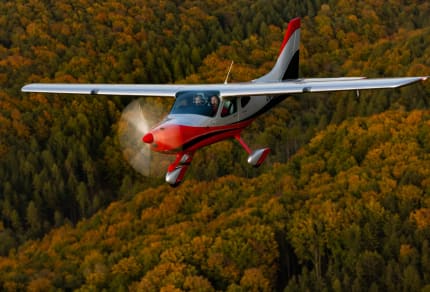
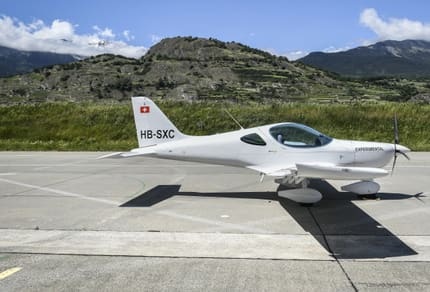
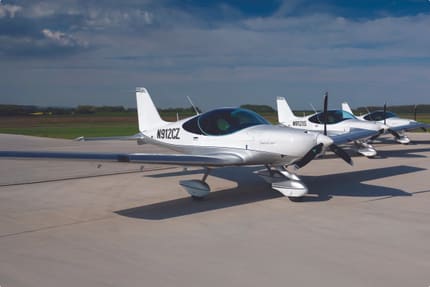
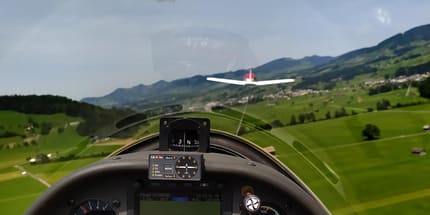
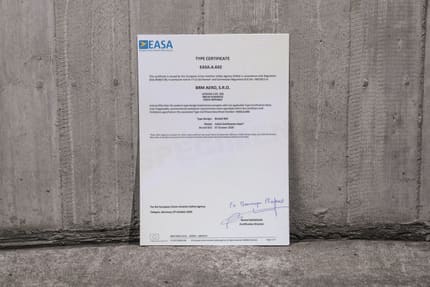
From raw metal to first flight.
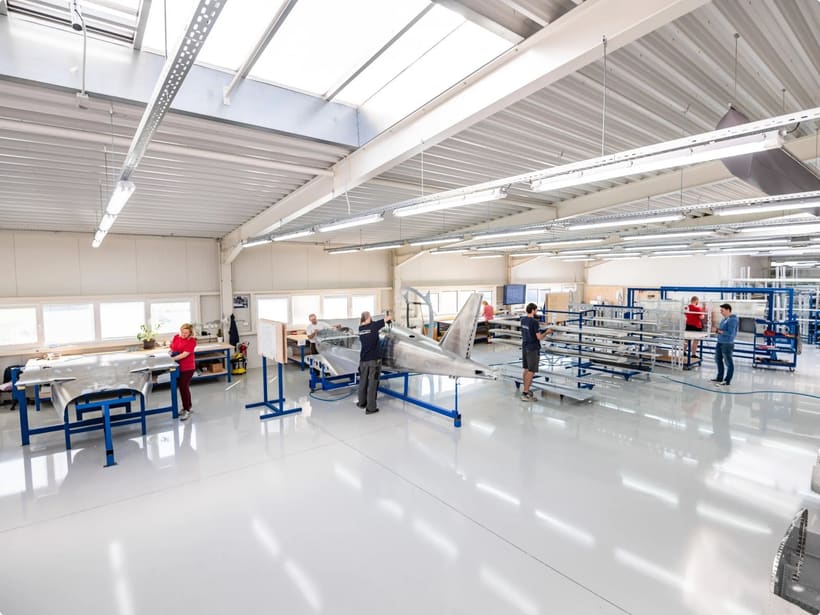
Over 90% of every Bristell is built in-house at our family-owned factory in Kunovice, Czech Republic. This is how your aircraft is made.
The whole factory, from the air.
Built in metal — on purpose.
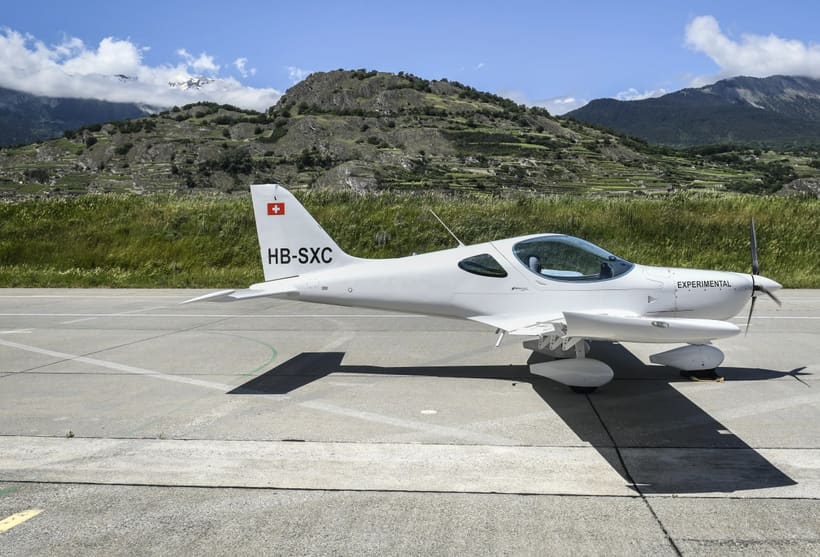
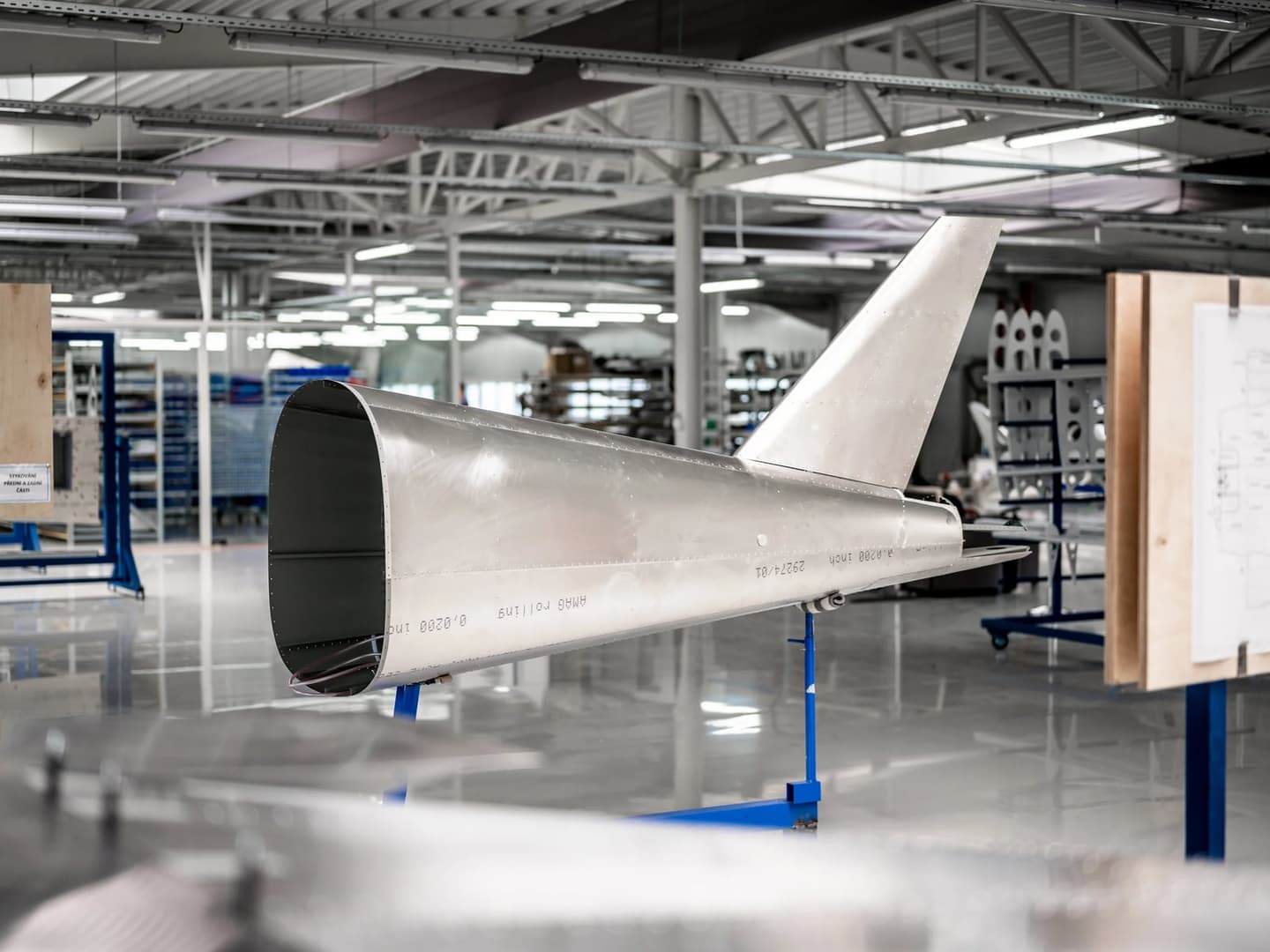
Every Bristell airframe is aviation-grade metal: aluminium alloy for the skins and structure, chromoly and stainless steel where the loads concentrate. Composites are used only where they earn their place — winglets, engine cowlings and fairings — and every laminate-to-metal joint is both bonded and riveted.
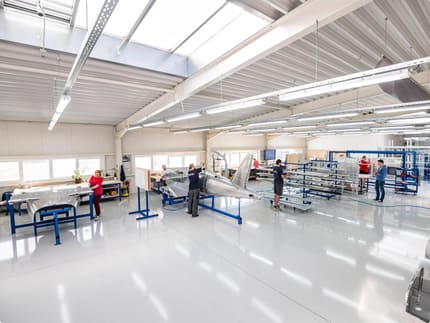
Only the engines, avionics, brakes, bearings and tyres come from outside. Everything else — cutting, machining, welding, forming, priming, assembly — happens under one roof in Kunovice.
Eight stages. One factory floor.
Follow an aircraft the way a visitor walks the factory — from a sheet of aluminium to an aircraft that has already proven itself in the air.
Designed digitally
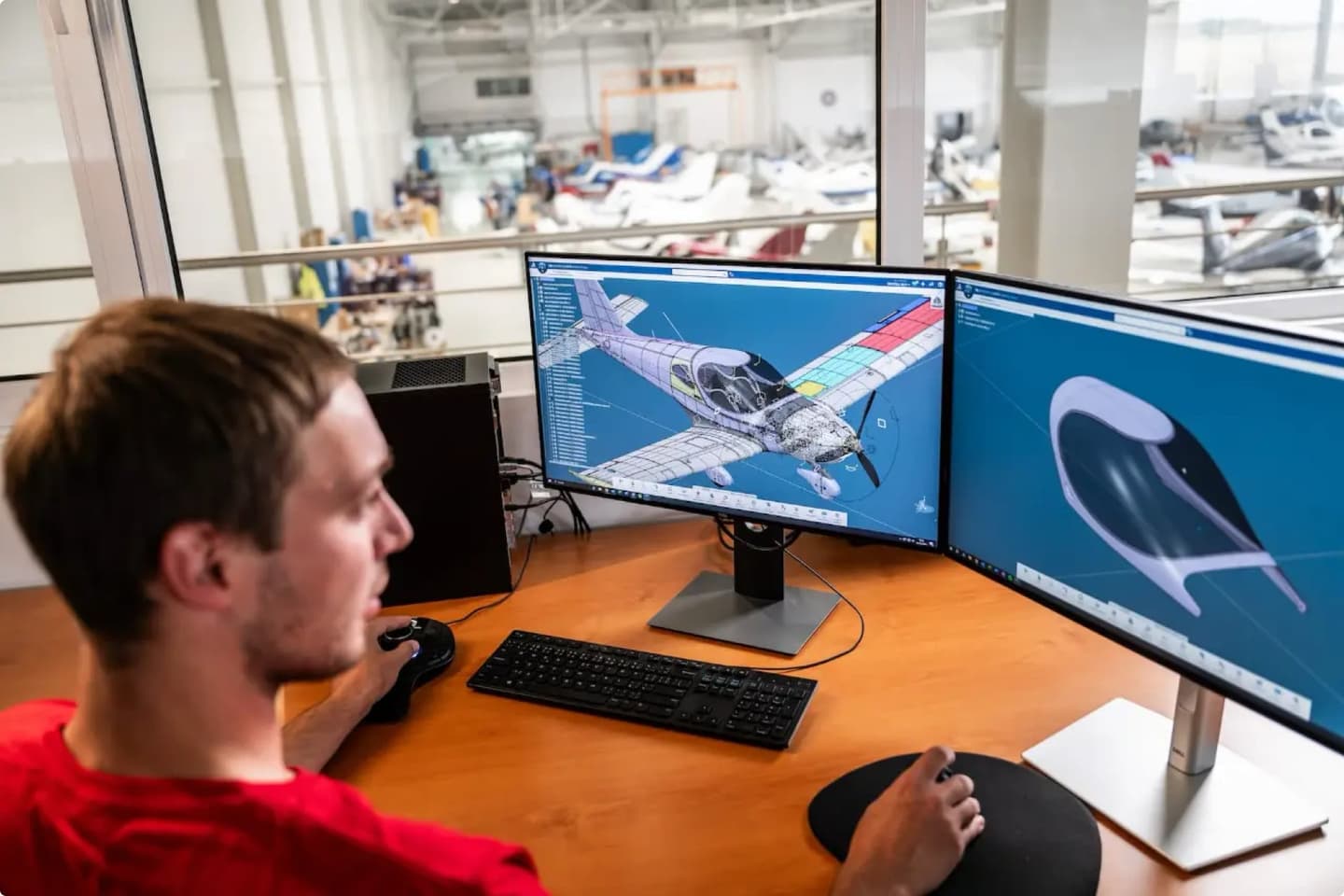
Every part begins as a 3D model in CATIA — the same design system used across the aerospace industry. The workshop builds exclusively from digital drawings, so what reaches the factory floor is always the current revision, never an outdated print.
Cut and machined in-house
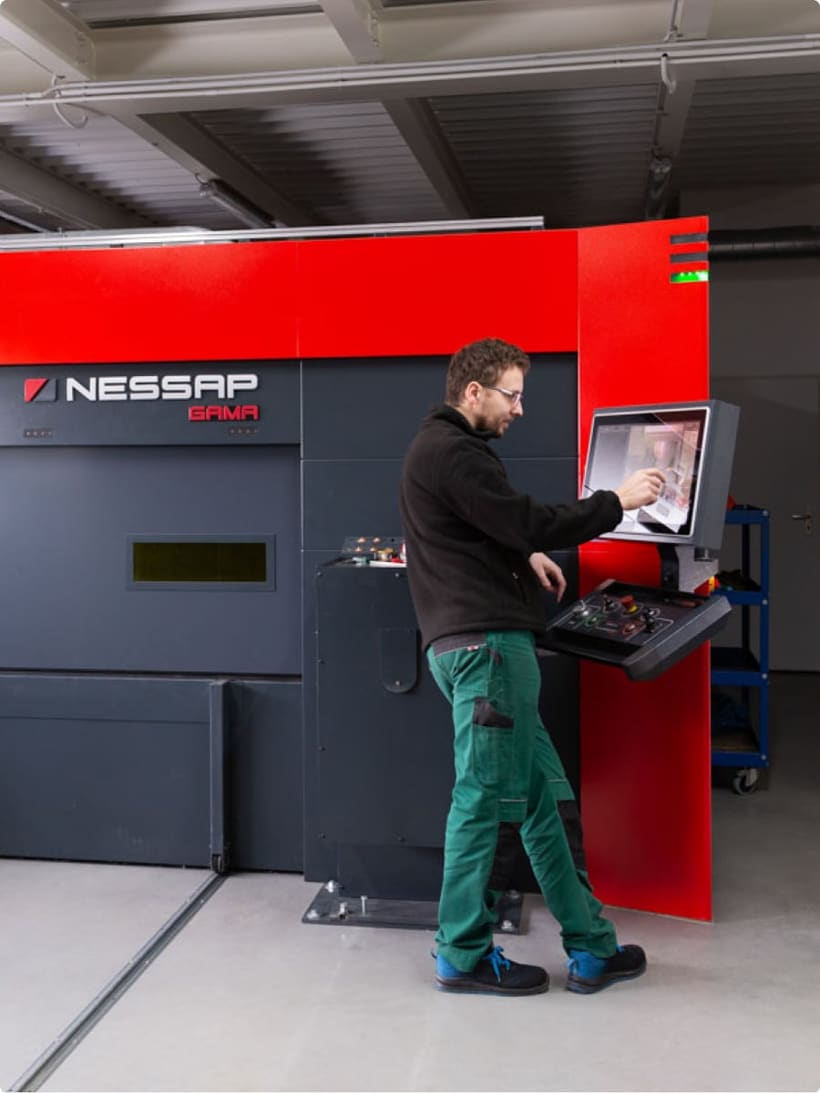
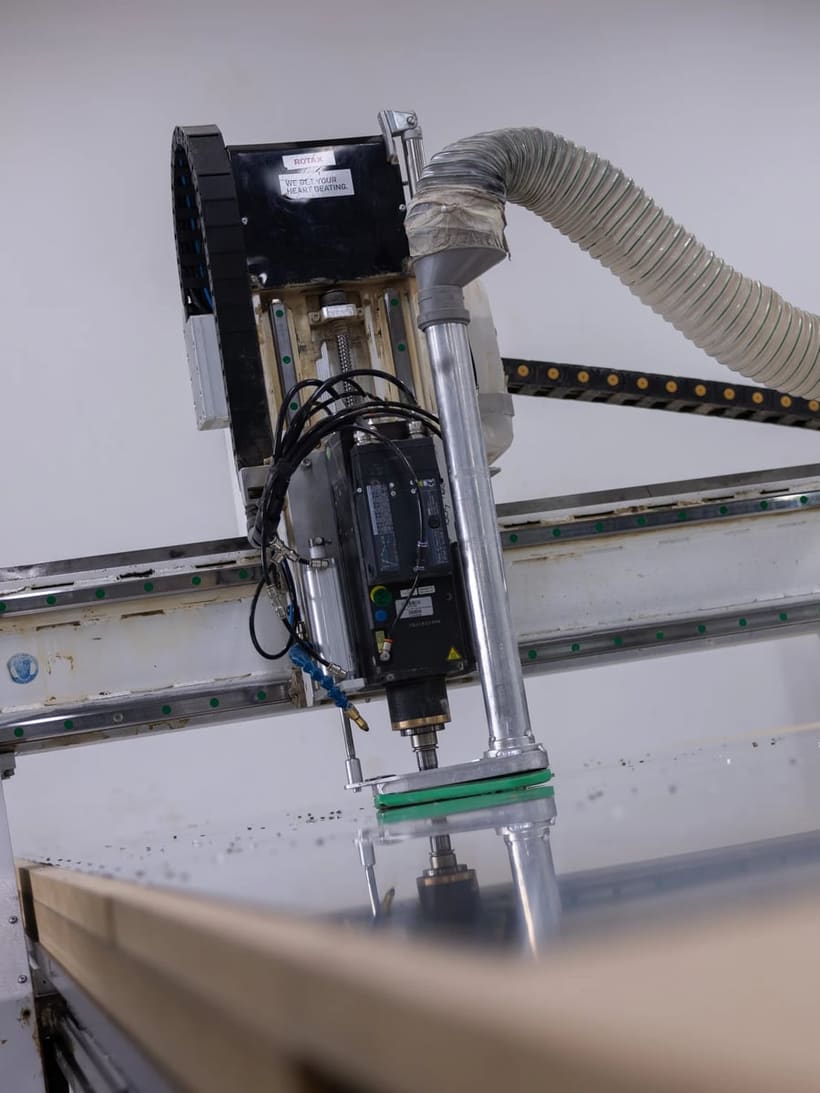
Steel parts are cut on a fiber laser under high-purity nitrogen, which leaves the edges clean enough to weld without any rework. Aluminium parts take a different route: skins and frames are milled on gantry milling machines, and smaller components are turned and machined on CNC centres with spindles running at 40,000 RPM.
The precision earned here is what makes everything that follows fit.
Formed and welded
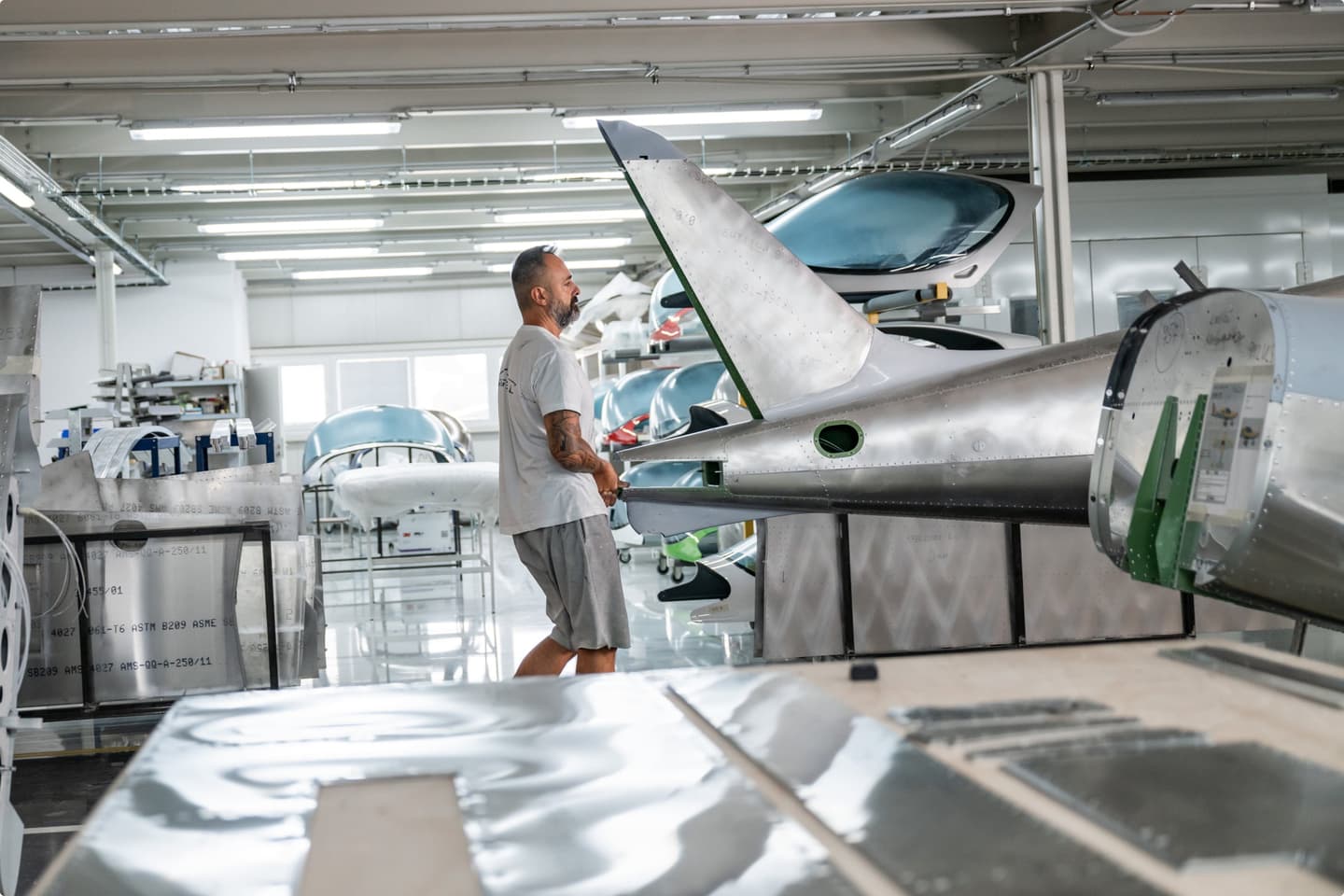
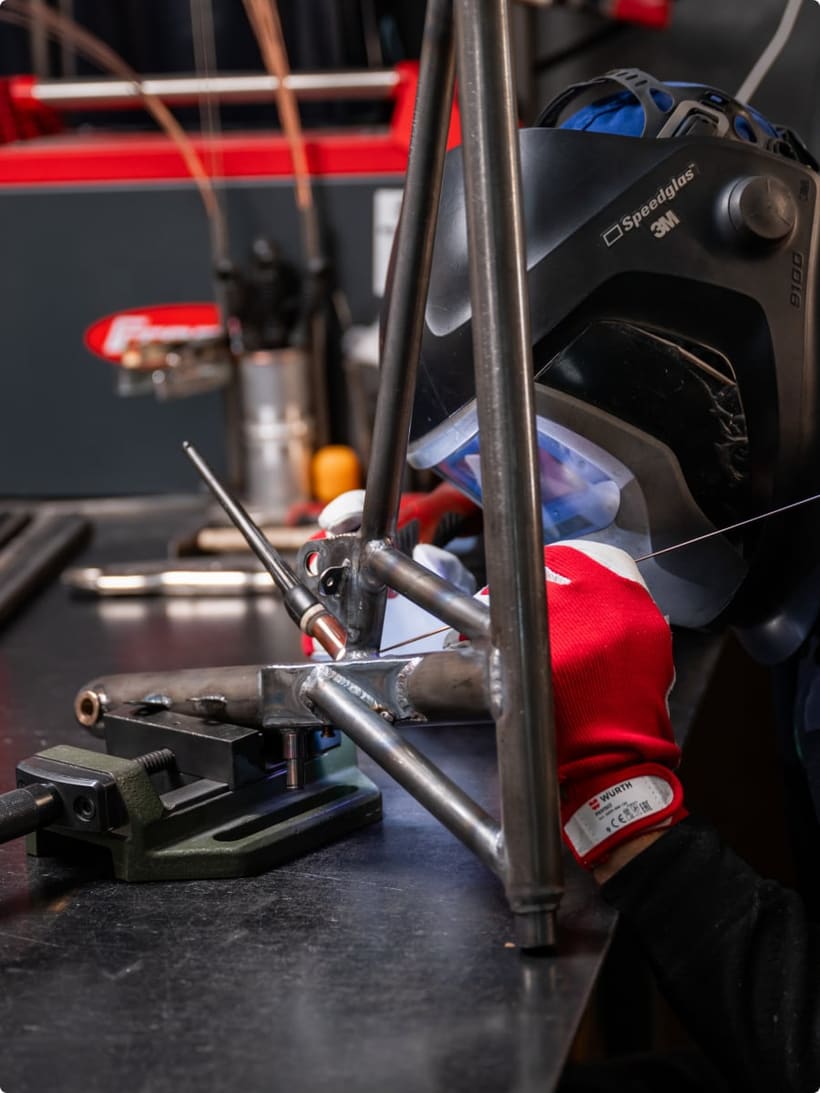
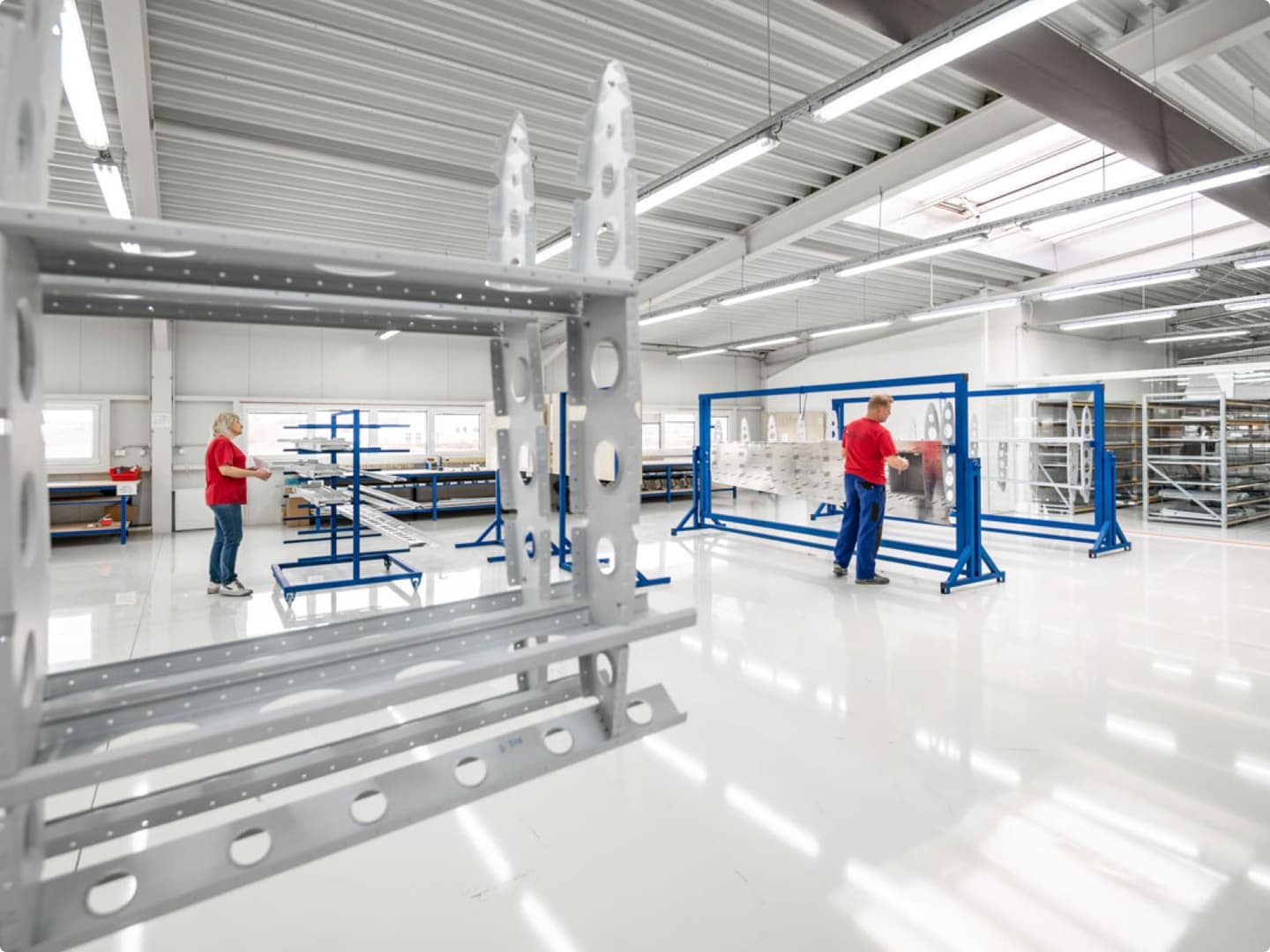
Ribs and bulkheads are formed on a 1,000-tonne (1,100 US tons) rubber press at 240 bar (3,480 psi), each in its own matched mould. All welding is TIG — and all of it happens in-house, carried out by seven certified welders working to Part 21 production standards, with purpose-built fixtures for repeatable precision.
Deburred and primed — before assembly
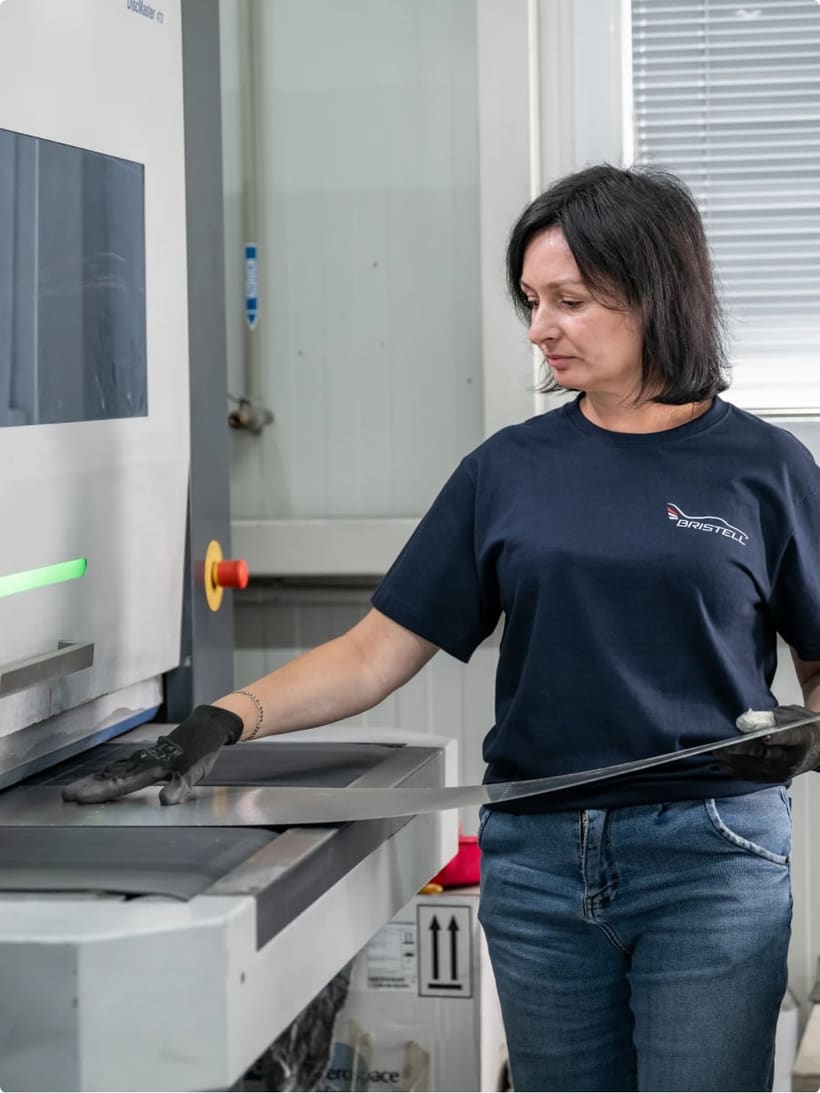
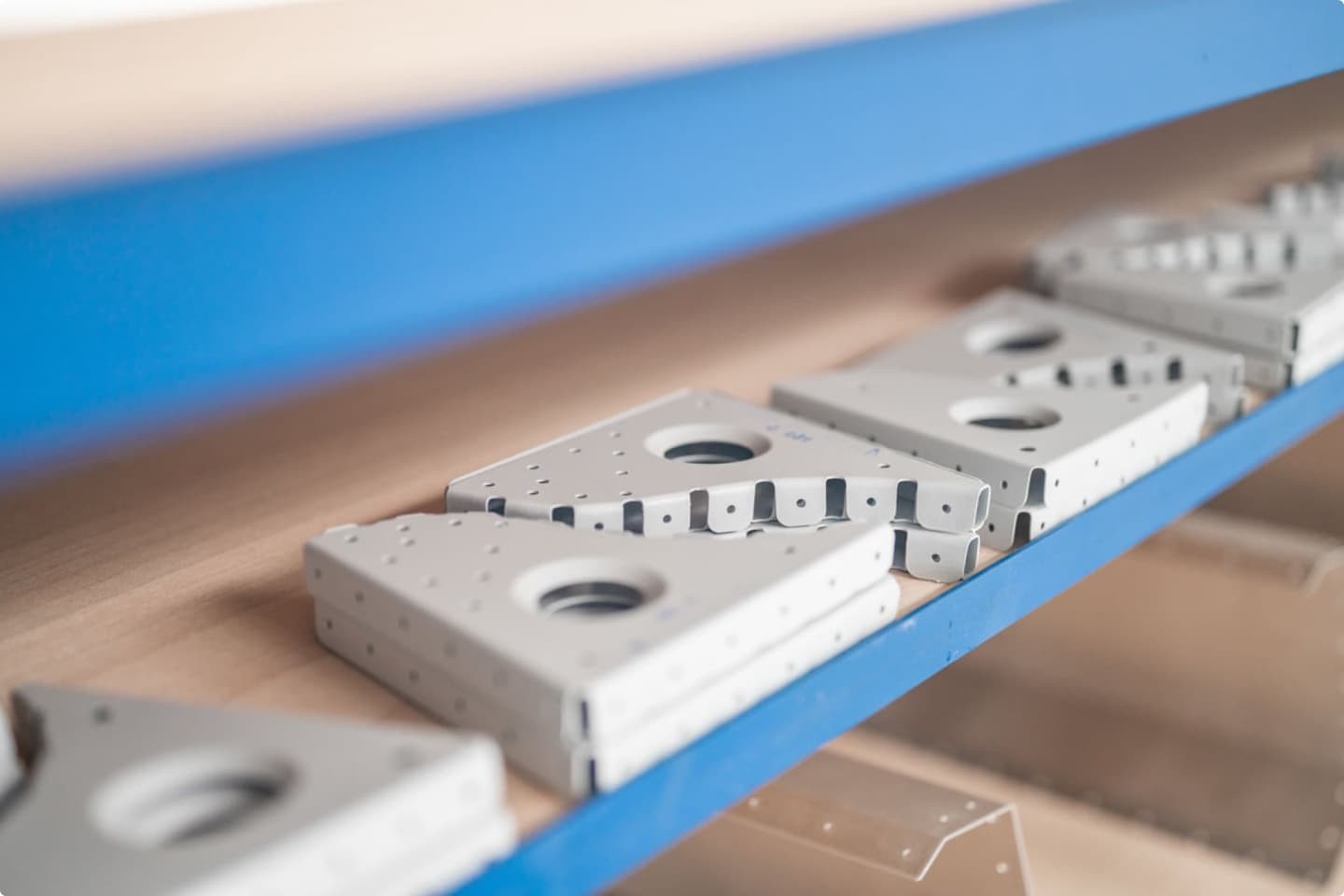
Every formed part is deburred — most on an automated six-motor sanding line, the rest finished by hand — and then sprayed with epoxy primer before assembly, so no bare metal is ever hidden inside a finished joint.
The primer colour is a quality system in itself: green for Ultralight (UL) and Light Sport (LSA) parts, white for certified B23 parts. Two production categories, zero chance of a mix-up.
The airframe takes shape
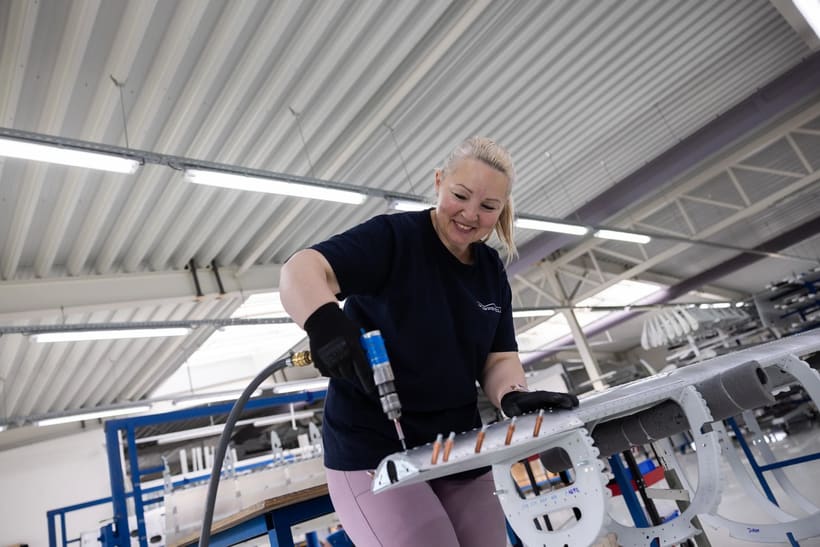
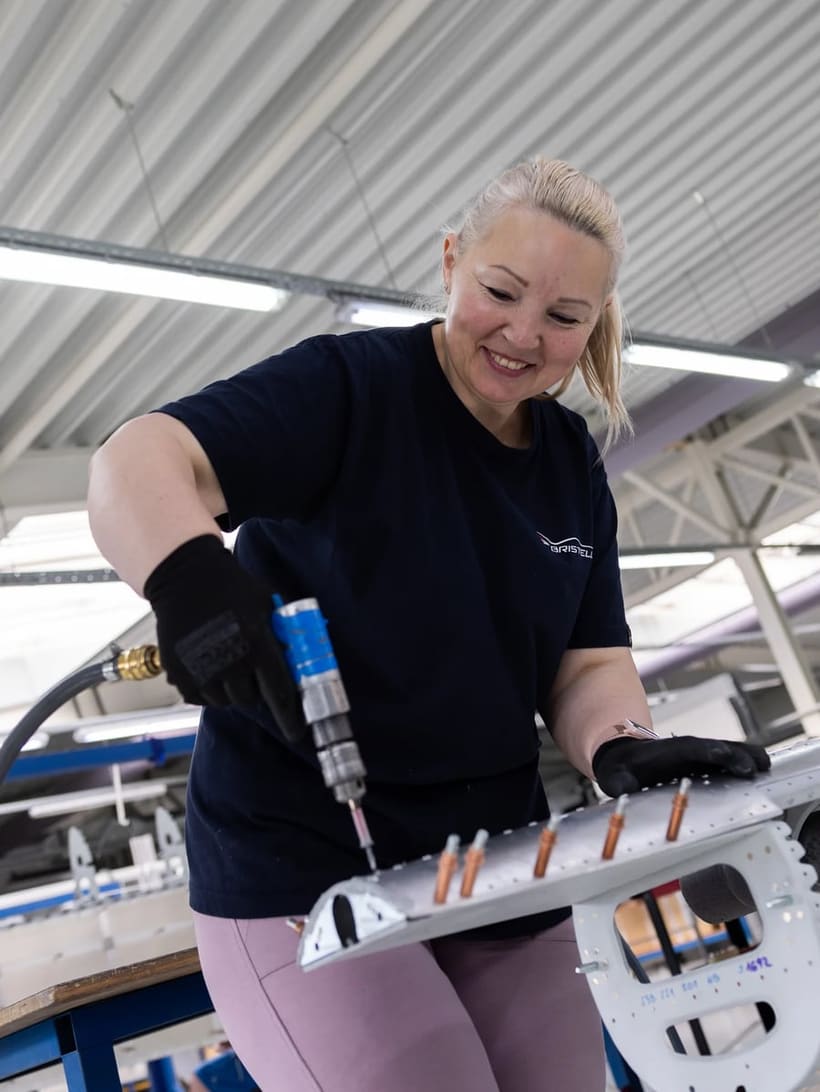
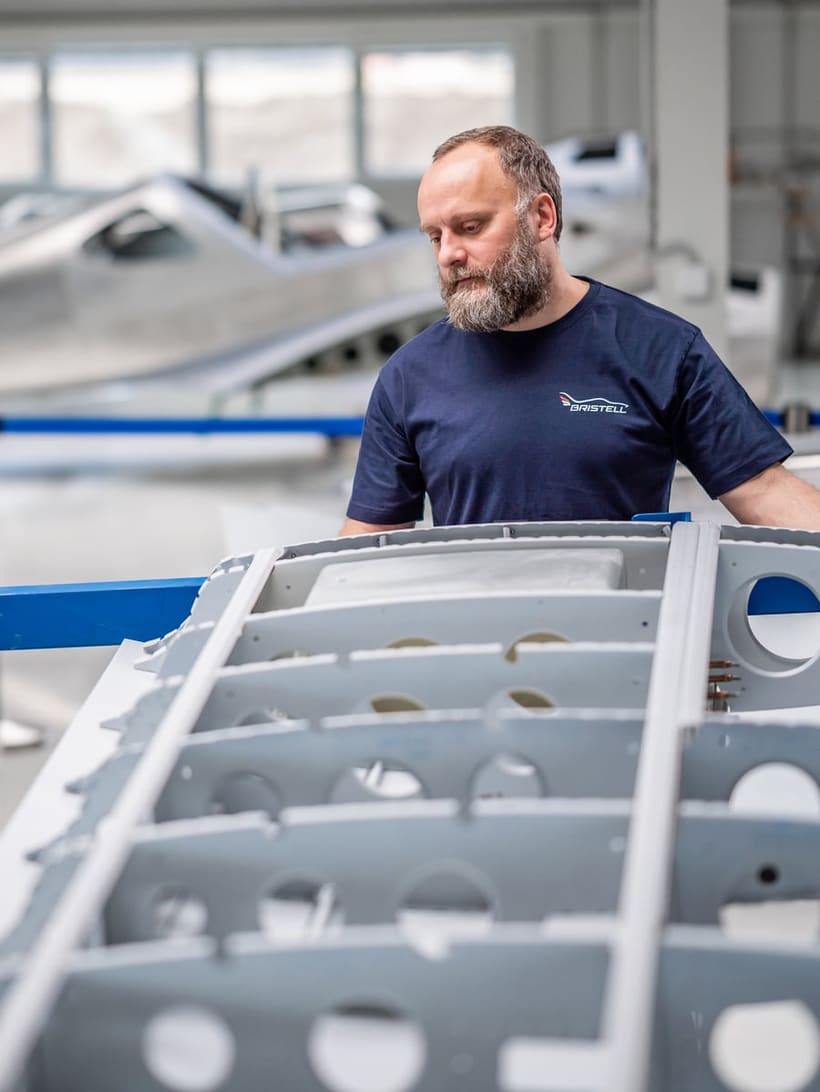
Structures come together on dedicated fixtures in a fixed sequence: front fuselage, rear fuselage, the join between them, then wings, flaps and ailerons, and finally the tail surfaces. Where composite meets metal — winglets, fairings — the joint is bonded and riveted, never one without the other.
Painted in your colours
With the structure complete, the aircraft moves to the paint shop, still under the same roof in Kunovice. Bristell's own painters spray the topcoat over the epoxy-primed airframe before final assembly begins, so every system is installed into a painted aircraft, never the other way round.
This is also the stage where your aircraft becomes yours. Choose a one, two or three colour metallic scheme, an Italian paint design by Mirco Pecorari, or a fully bespoke livery. Twenty proven colours make up the standard palette, and if you can name an automotive paint colour, the paint shop can match it.
Choose your colours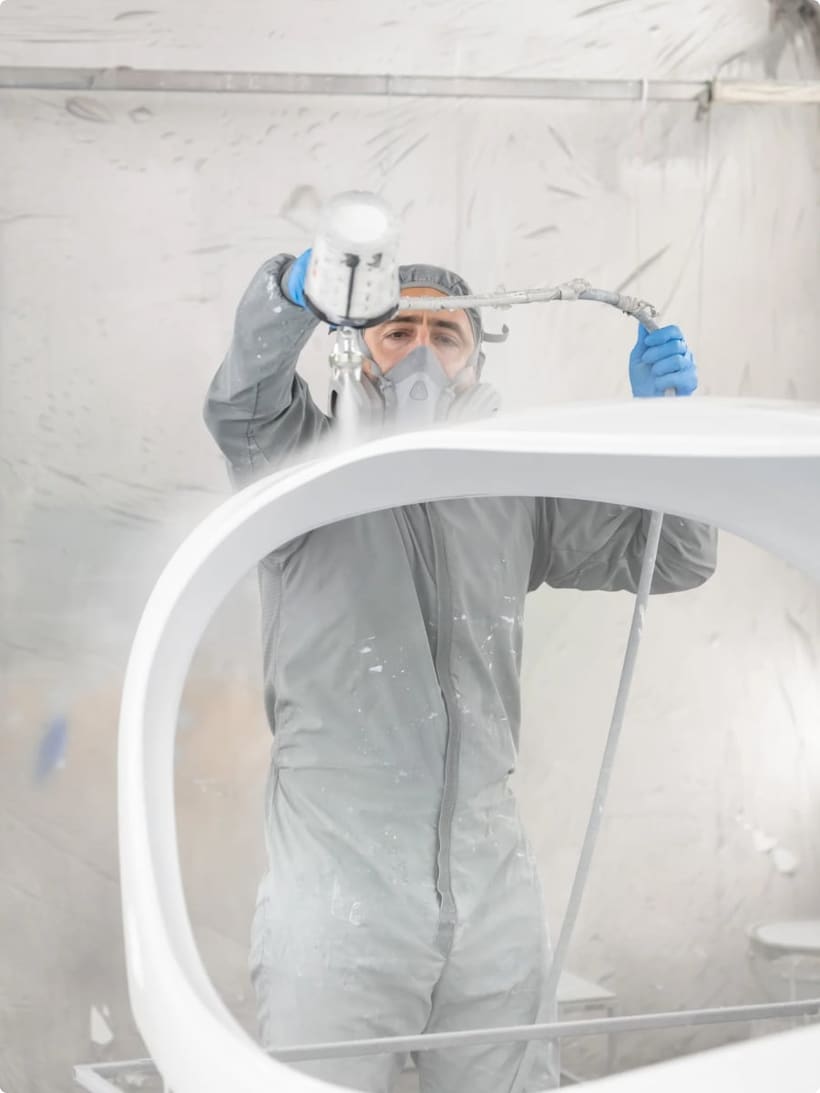
Three teams, one aircraft
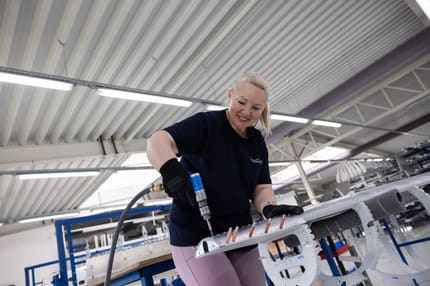
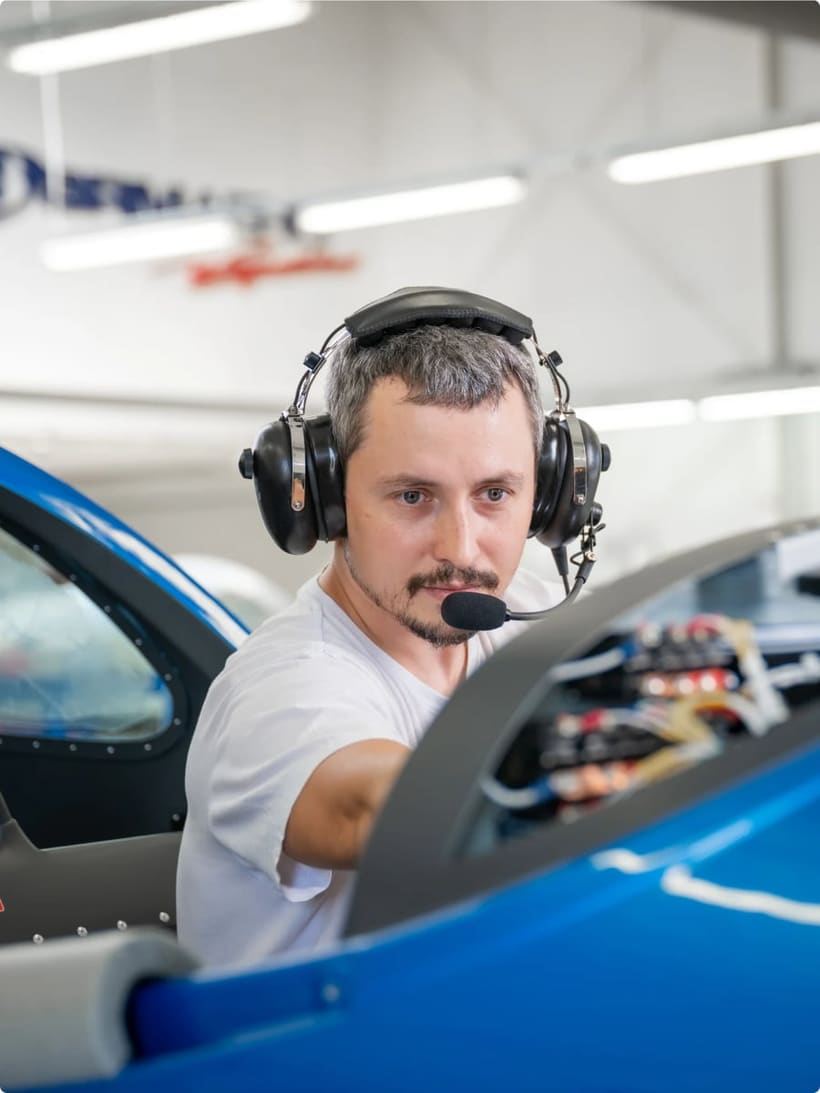
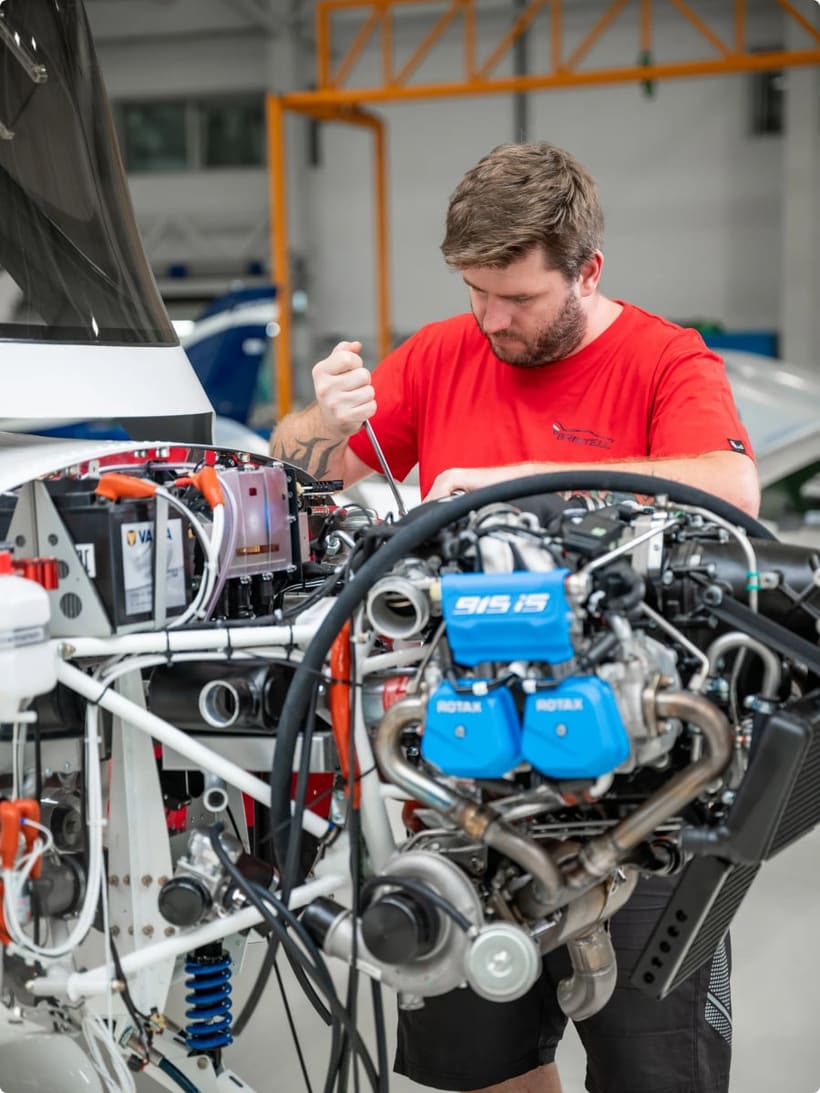
On final assembly, three teams work on each aircraft in parallel: one installs the landing gear, brakes and engine controls; one wires the avionics and electrical systems; one completes the final fit-out — wings, tail and inspections.
It is how a factory of 140+ people delivers more than 110 aircraft a year without hurrying a single one.
Calibrated, weighed, flown
Before delivery, every aircraft is weighed and its centre of gravity documented, the compass is swung, and the fuel-quantity indication is calibrated against real fuel, not a formula. Then comes the part no aircraft can skip: the engine runs for a full hour on the ground before the first flight.
Inspected, numbered, traceable.
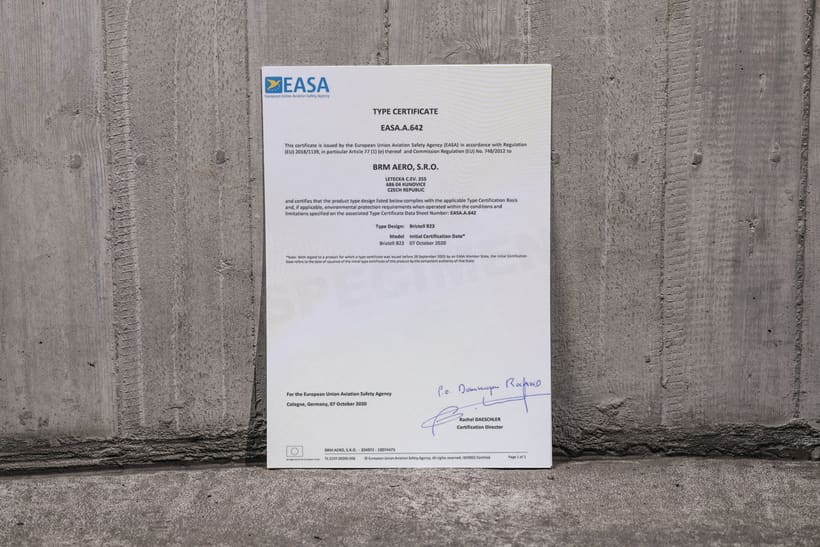
Certified aircraft production leaves no room for "probably right". These are the rules the factory runs on.
Every part inspected
Dimensions, finish and paint quality are checked on every part before it enters the store — not sampled, checked.
Full batch traceability
On certified production, every part carries a batch number that follows it through the factory — so any material question can be traced to the exact aircraft affected, the same discipline the automotive industry uses.
Colour-coded by category
Green primer means UL/LSA, white means certified B23. The two production categories are visually distinct at every workstation.
Certified welders
Seven certified welders working to Part 21 production standards — and 100% of welding is done in-house.
Parts for ~120 aircraft in stock
Roughly a year of production held in inventory, so a supply-chain disruption does not touch delivery dates.
Proven before delivery
Every aircraft runs its engine for a full hour on the ground and completes 2–3 test flights before handover.
A family factory, 140+ strong.
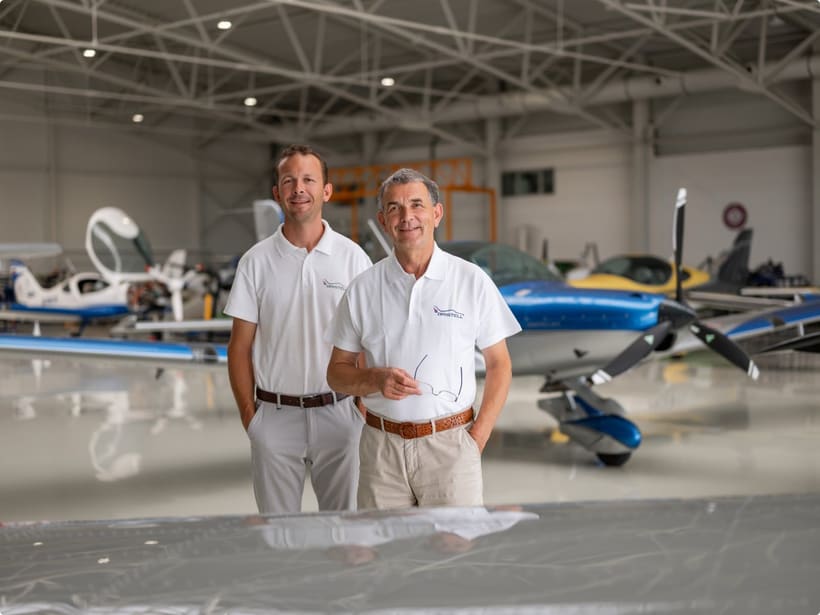
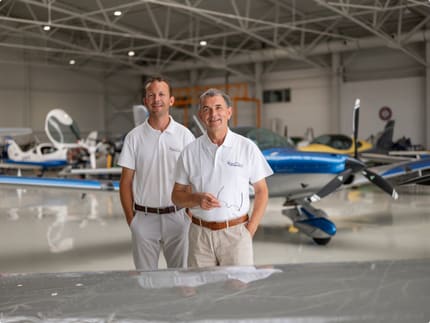
BRM AERO is family-owned and family-run. The engineers who model your aircraft in CATIA, the certified welders, the painters and the final-assembly teams all work under one roof in Kunovice — one of the historic homes of Czech aviation.
That closeness matters. When 90% of the parts are made where the aircraft is assembled, a question from final assembly is answered on the factory floor — not in a supplier's inbox.
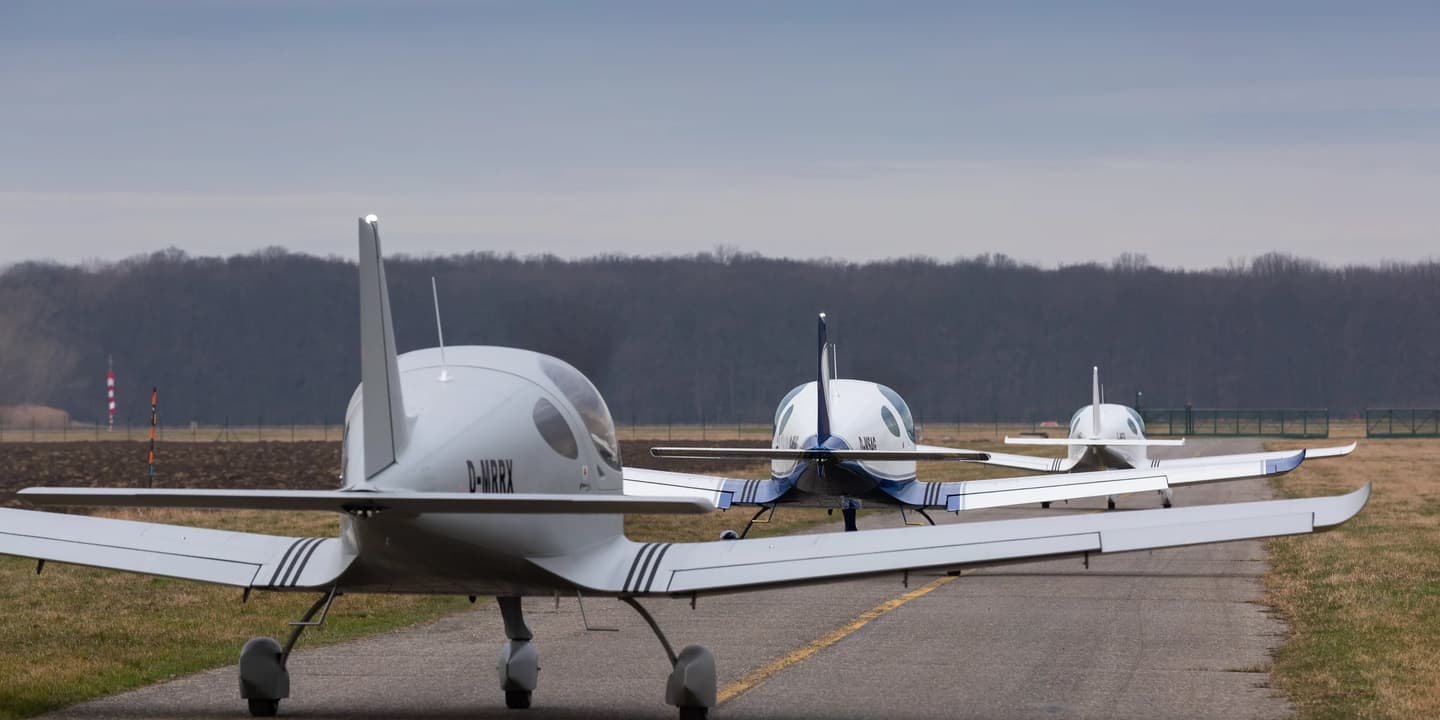
No aircraft leaves without earning it.
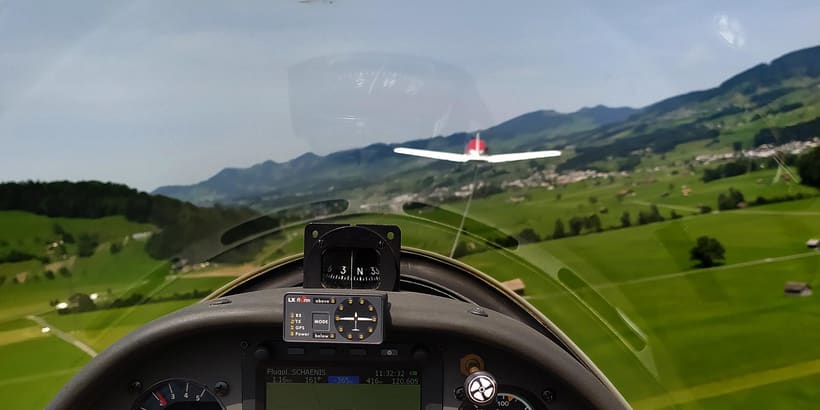
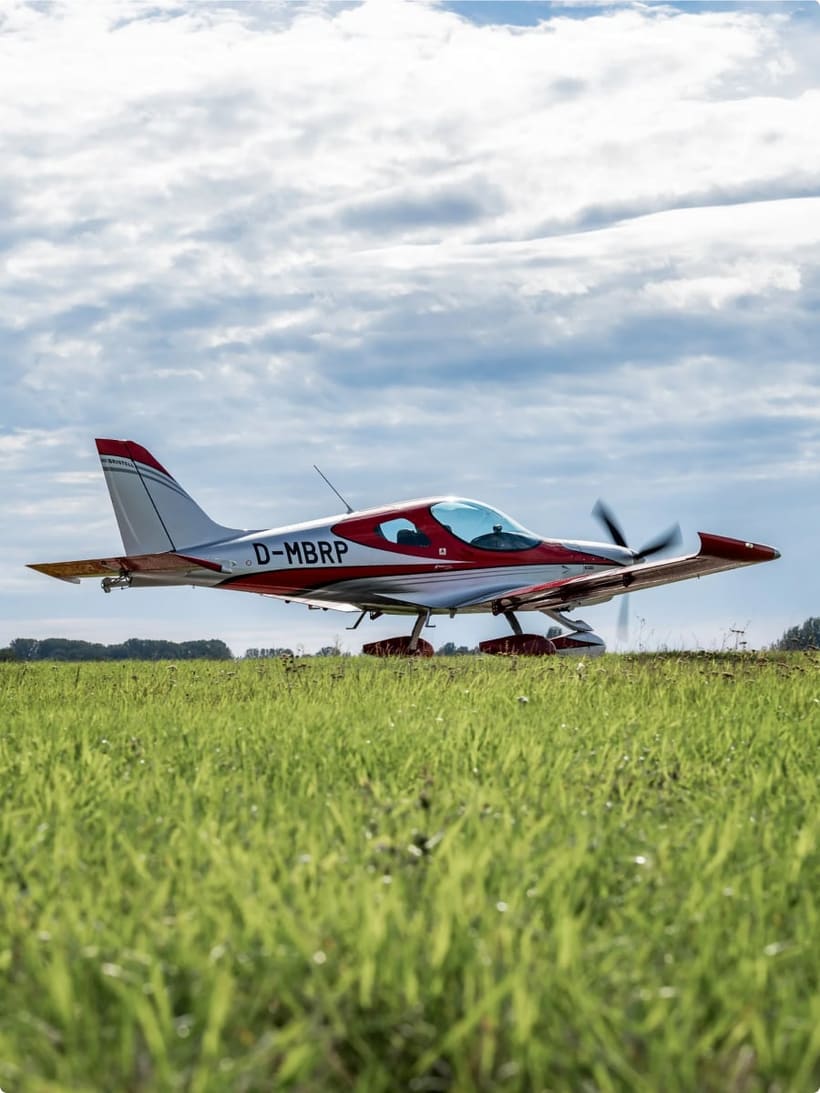
One full hour of engine runs on the ground. Then two to three test flights, in which a factory pilot verifies every parameter and fine-tunes the aircraft — down to adjusting flap rigging so it stalls straight ahead, with no wing drop. Only then are the delivery documents signed.
The proof is in the air
The best way to judge how an aircraft is built is to fly it. Book a demo flight and see for yourself.