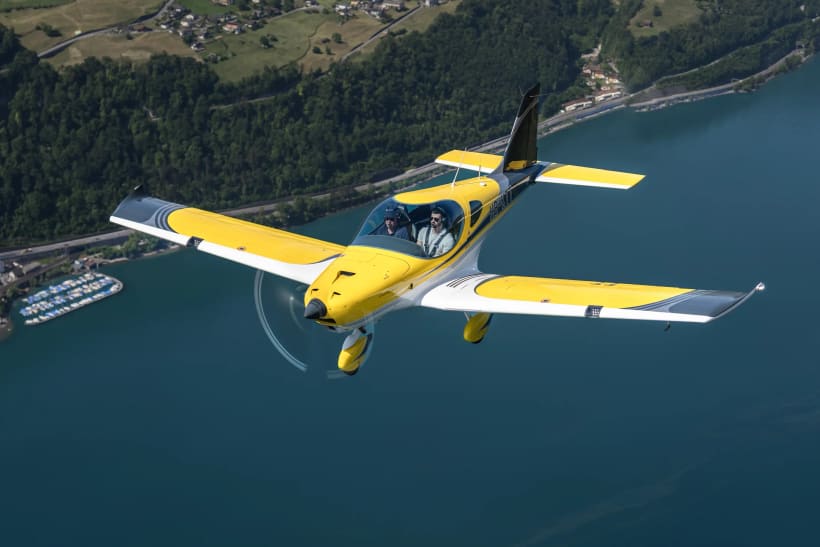
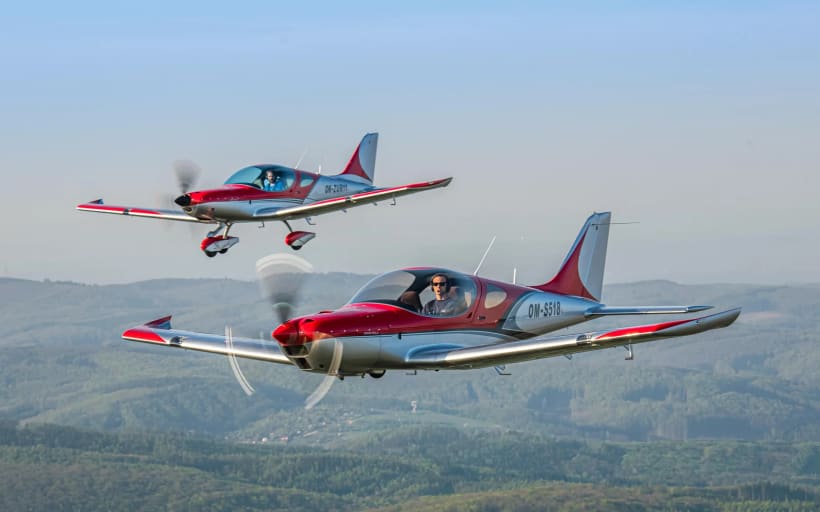
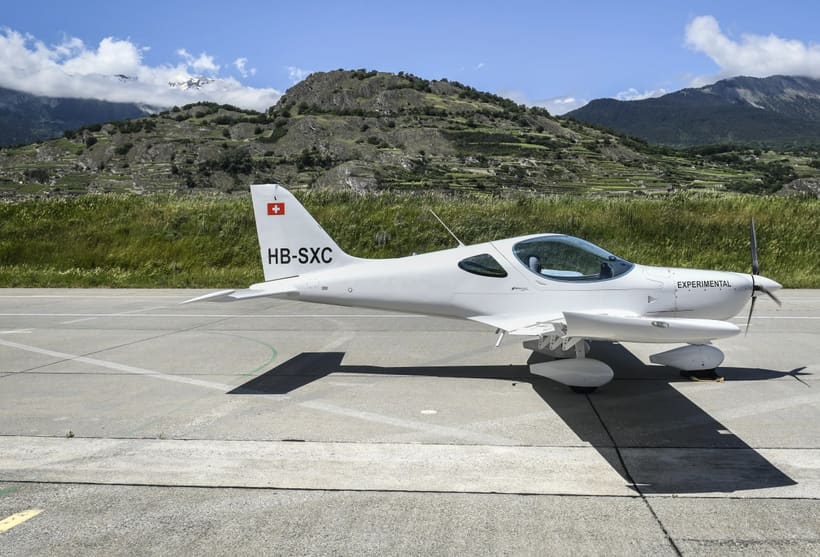
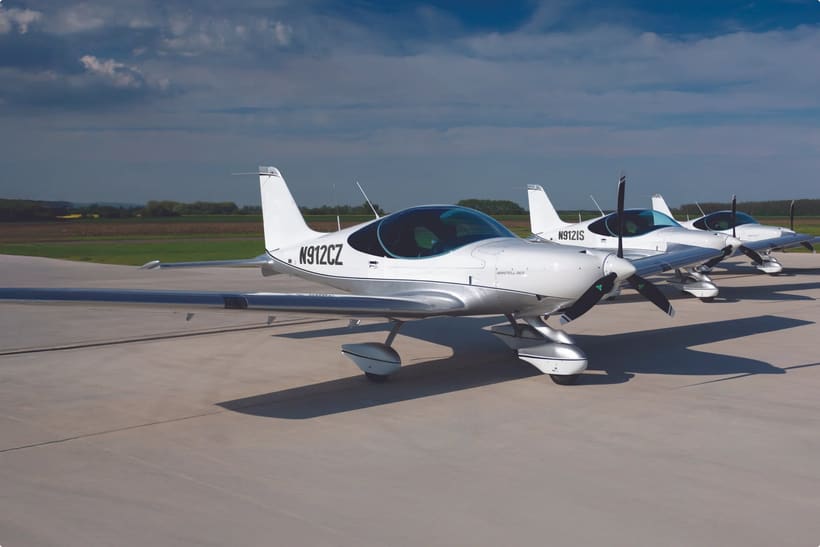
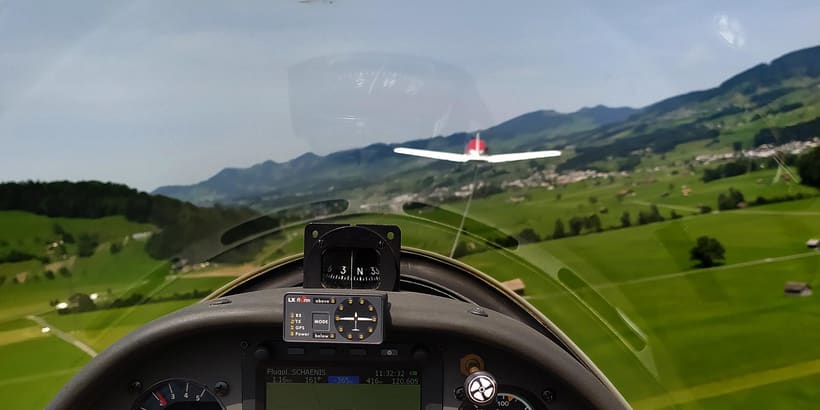
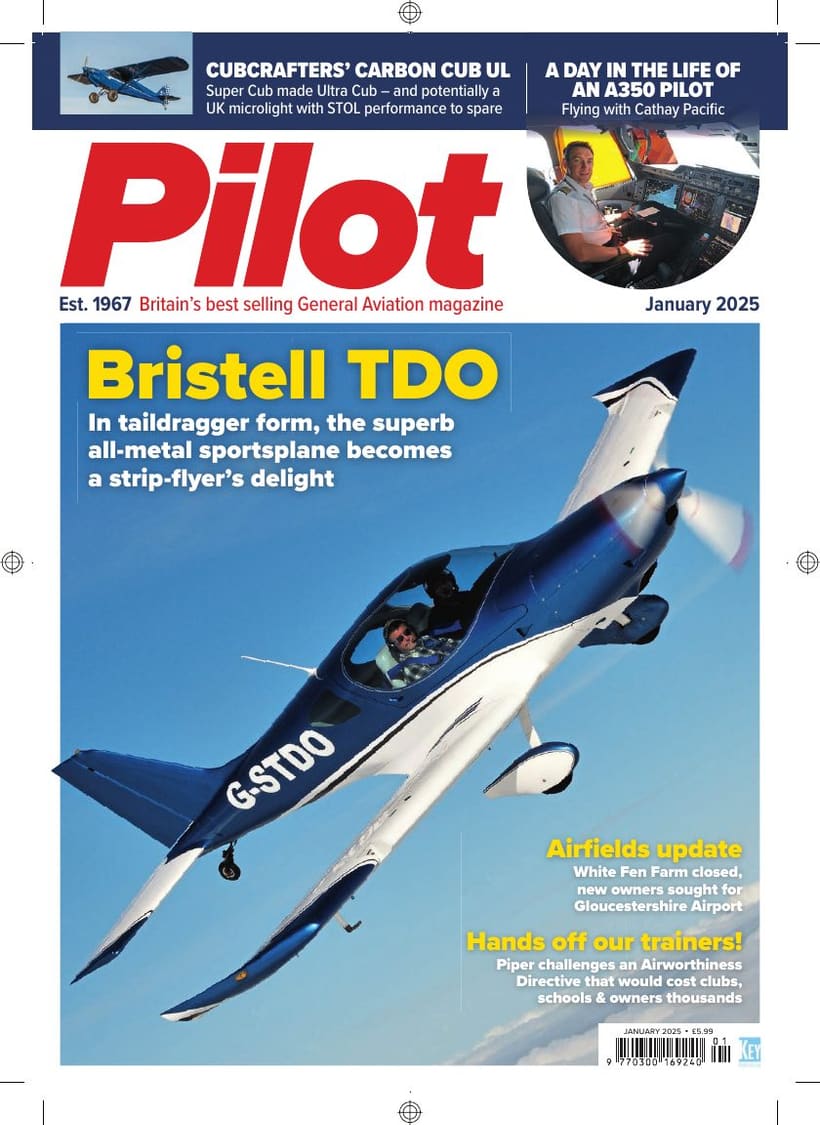
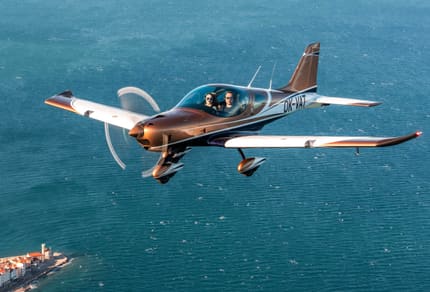
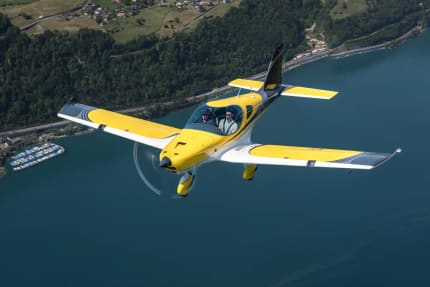
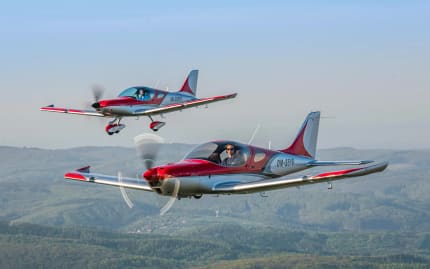
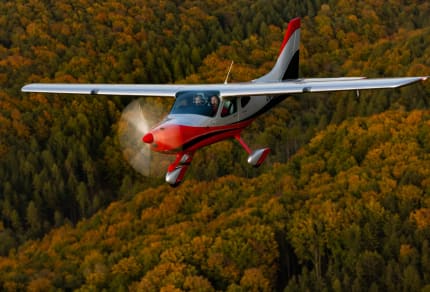
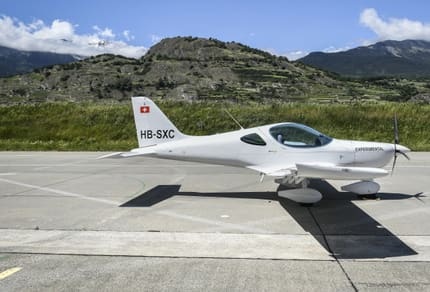
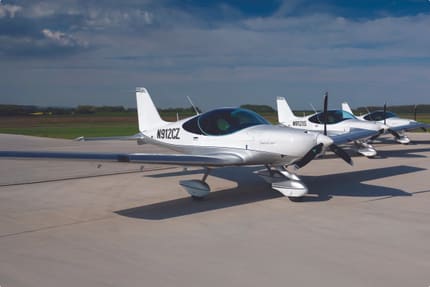
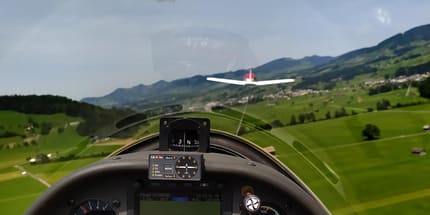
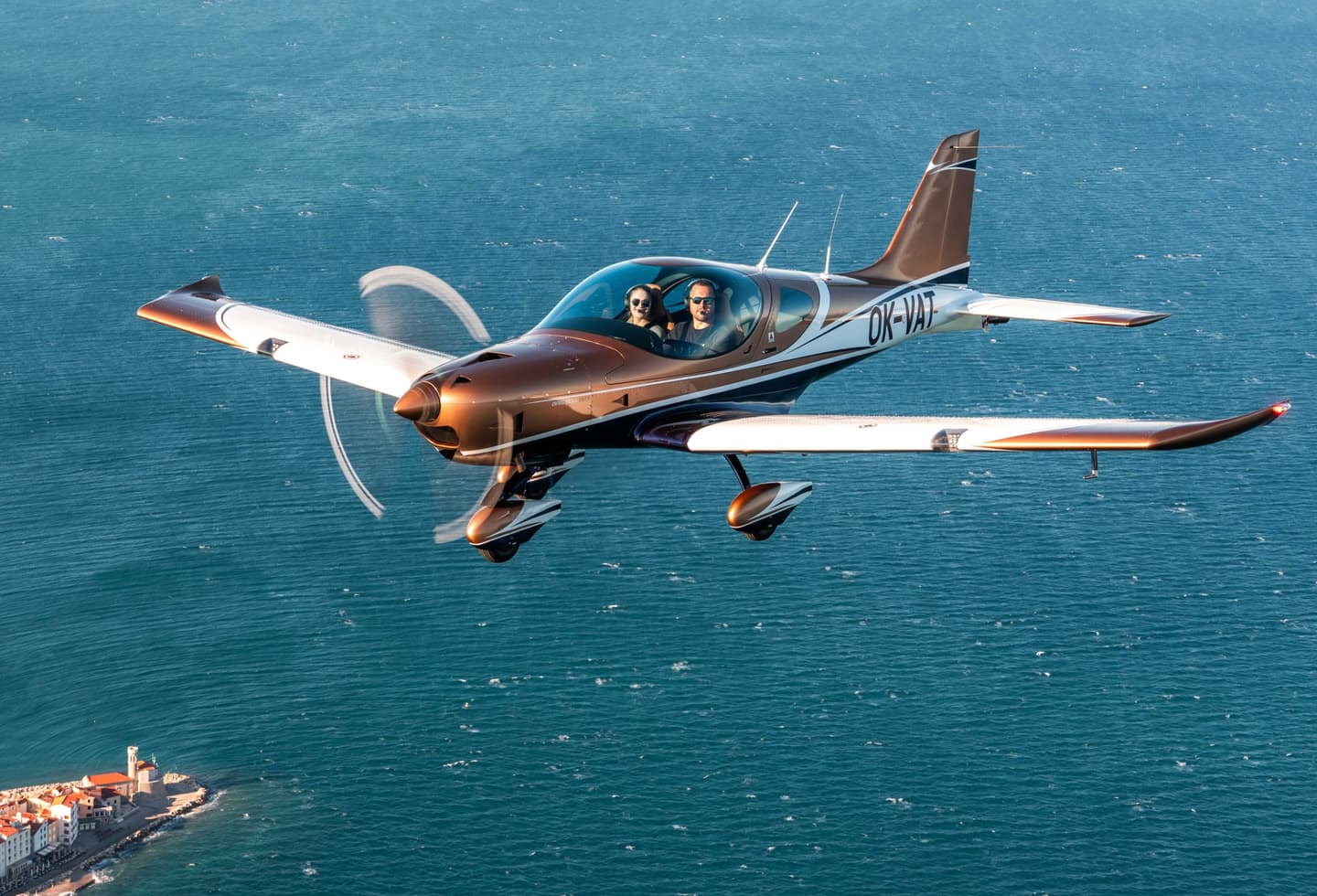
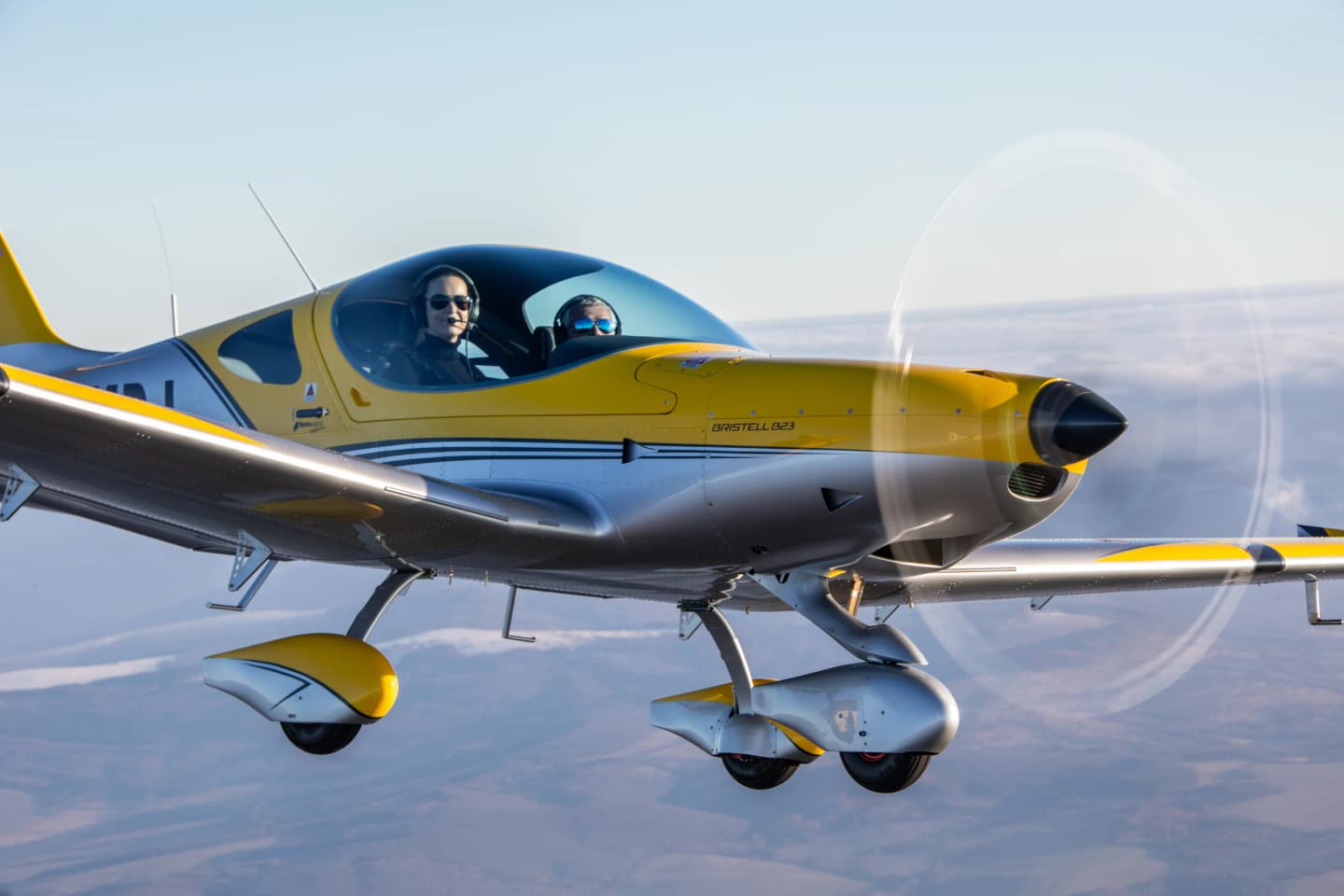
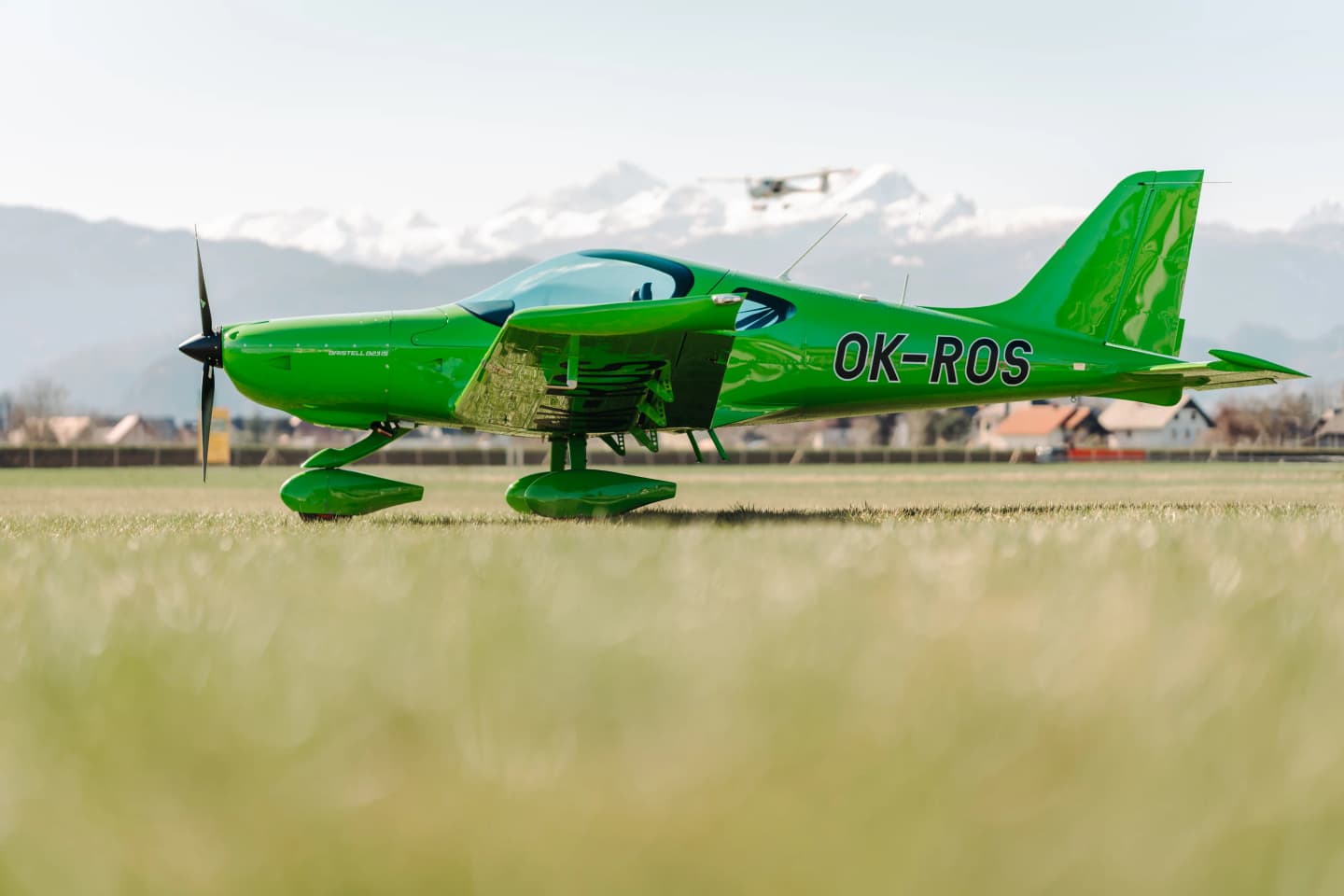
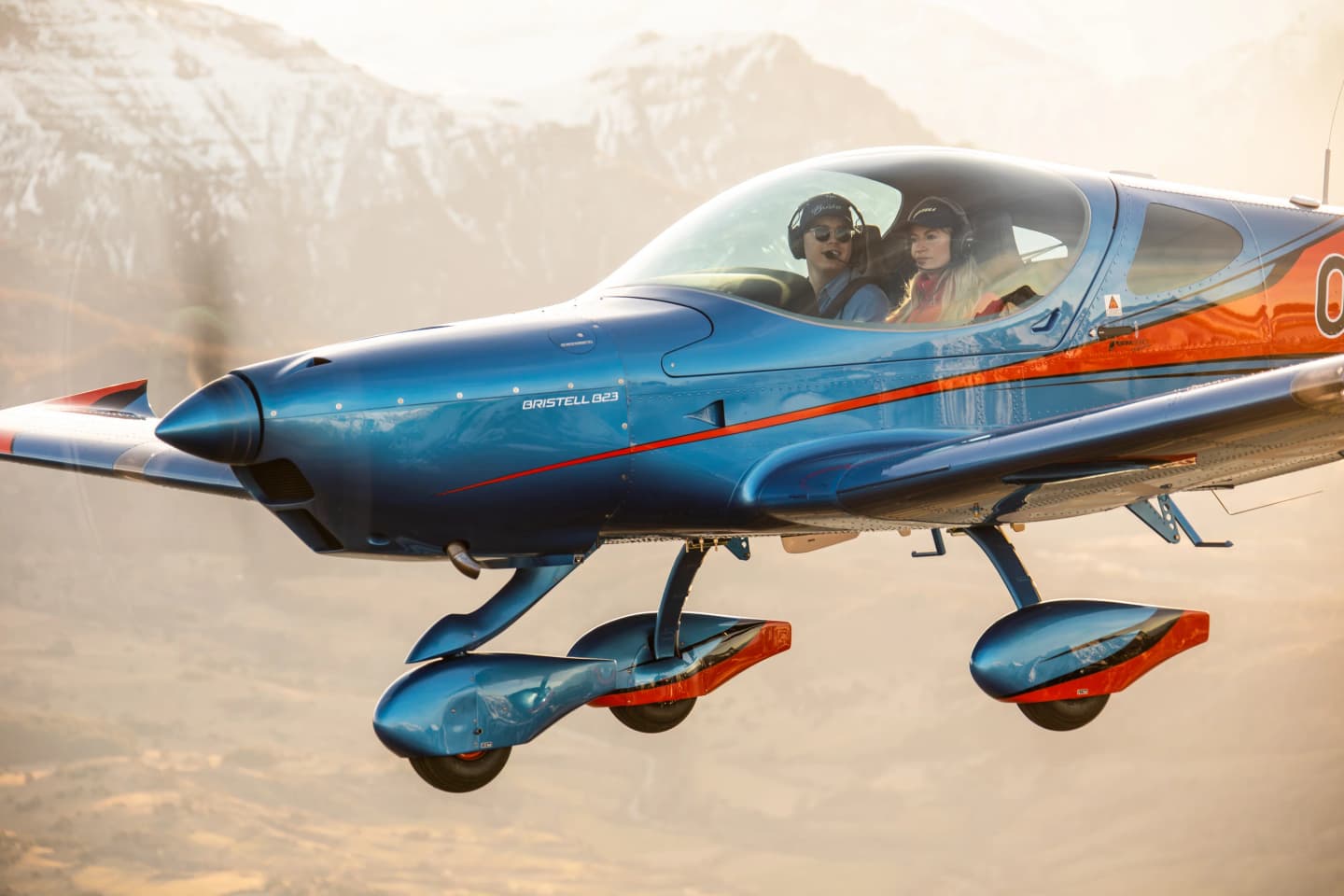
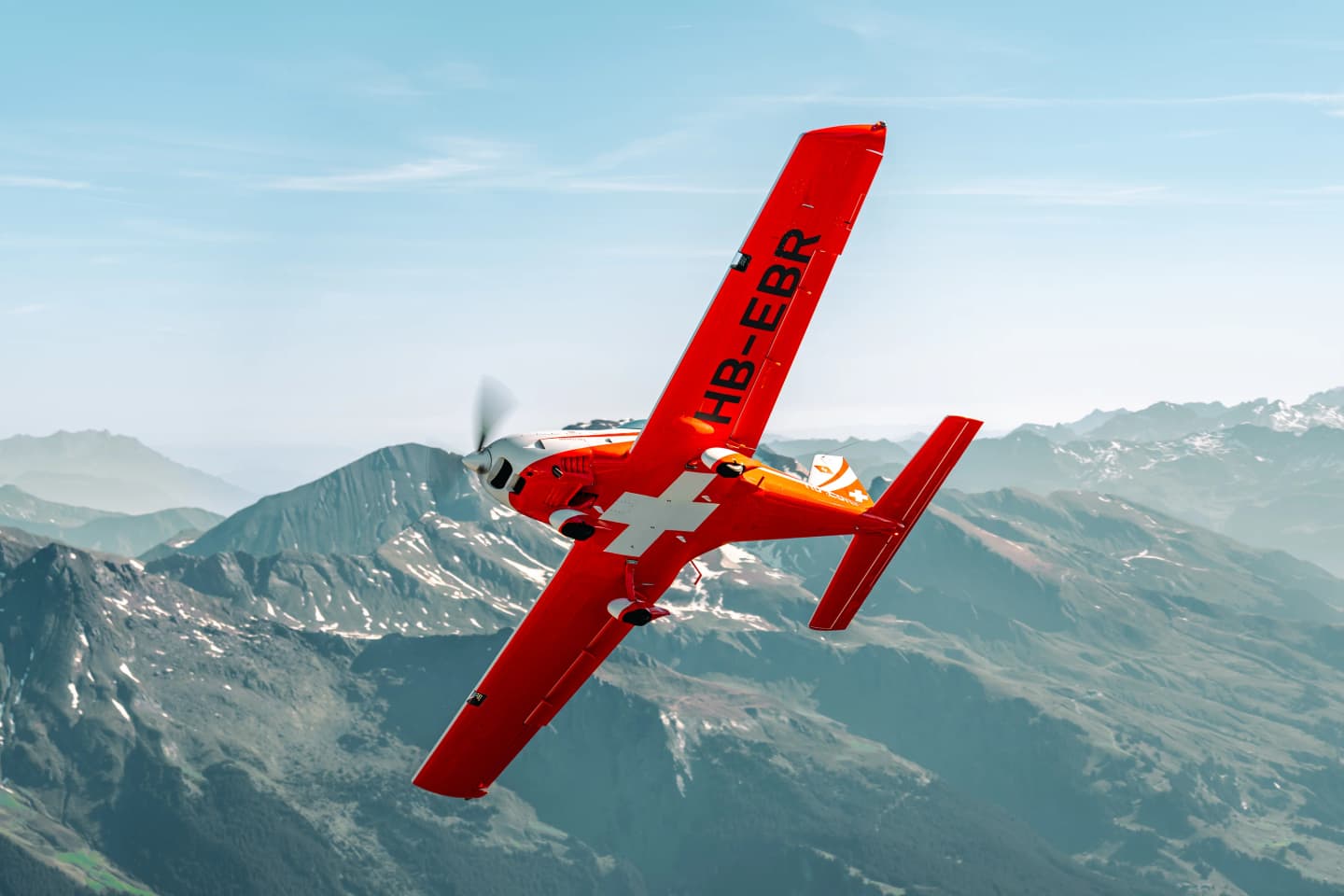
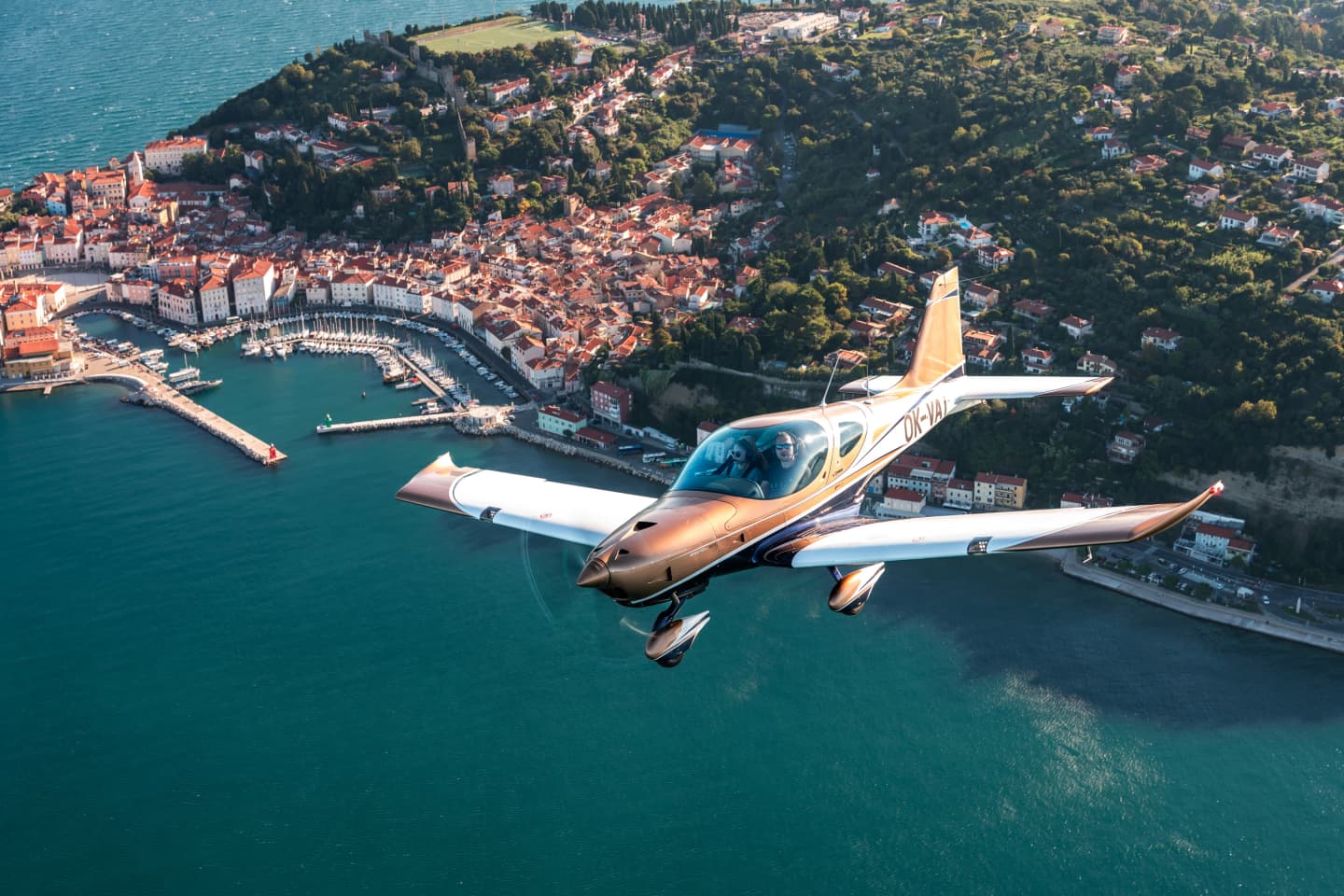
Bristell B23 in flight
EASA CS-23 · FAA Part 23

Bristell B23

One certified airframe. Four Rotax engines, five variants. From first solo to IFR touring.

Overview

The certified flagship from Kunovice.

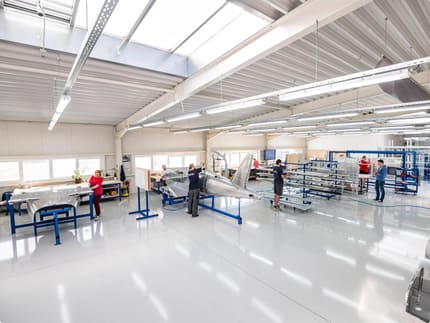
The Bristell B23 is the aircraft the rest of the range looks up to: a type-certified, all-metal low-wing two-seater from Kunovice, Czech Republic — EASA CS-23 certified across the family, FAA Part 23 certified on the B23-912 (with the remaining variants in progress), and a BRS whole-aircraft parachute as standard. Flight schools run it hard every day, ATOs teach instrument flying in it and private owners tour Europe in it. Whoever sits in the left seat, the aircraft is the same — only the engine on the nose differs.

Watch the B23 in action

Swipe to browse the videos.

The Bristell B23 in flight
Bristell B23-912iS
Bristell B23 — Night VFR Certified
Bristell B23-915 IFR
Bristell B23 in detail
Bristell B23 Courchevel

Built for the way you fly.

Flight schools

Benign handling, dual sticks and Night VFR certification as standard, engines that run on automotive MOGAS and TBO up to 2,000 hours — the operating economics a training fleet needs. The B23-915 IFR variant adds a certified instrument trainer for ATO programs.

Flying for fun

The widest cabin in its class — 130 cm (51.2 in) — a bubble canopy with a view in every direction, and a BRS whole-aircraft parachute as standard. Nimble, responsive and certified to +4/−2 g.

Travelling

Up to 780 NM (1,445 km) of range at 75% power, 55 kg (121 lbs) of luggage in the wing lockers and cabin, and turbocharged variants that hold their cruise performance at altitude.

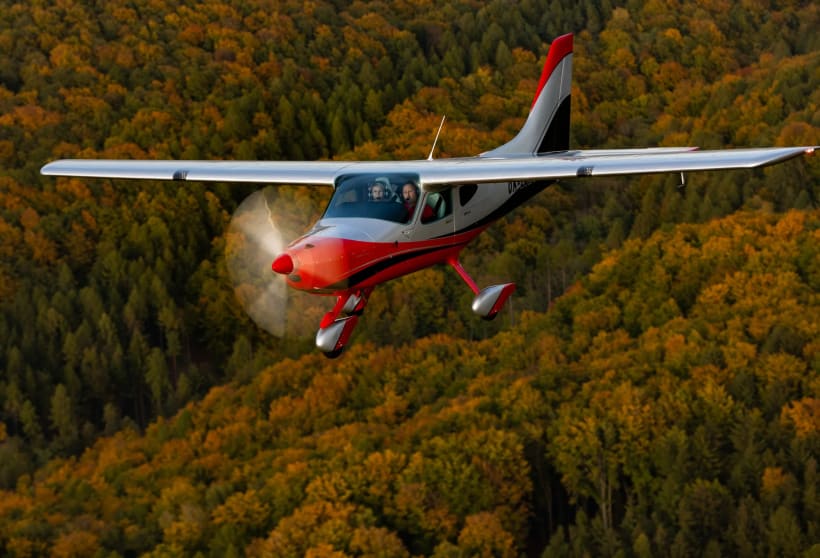
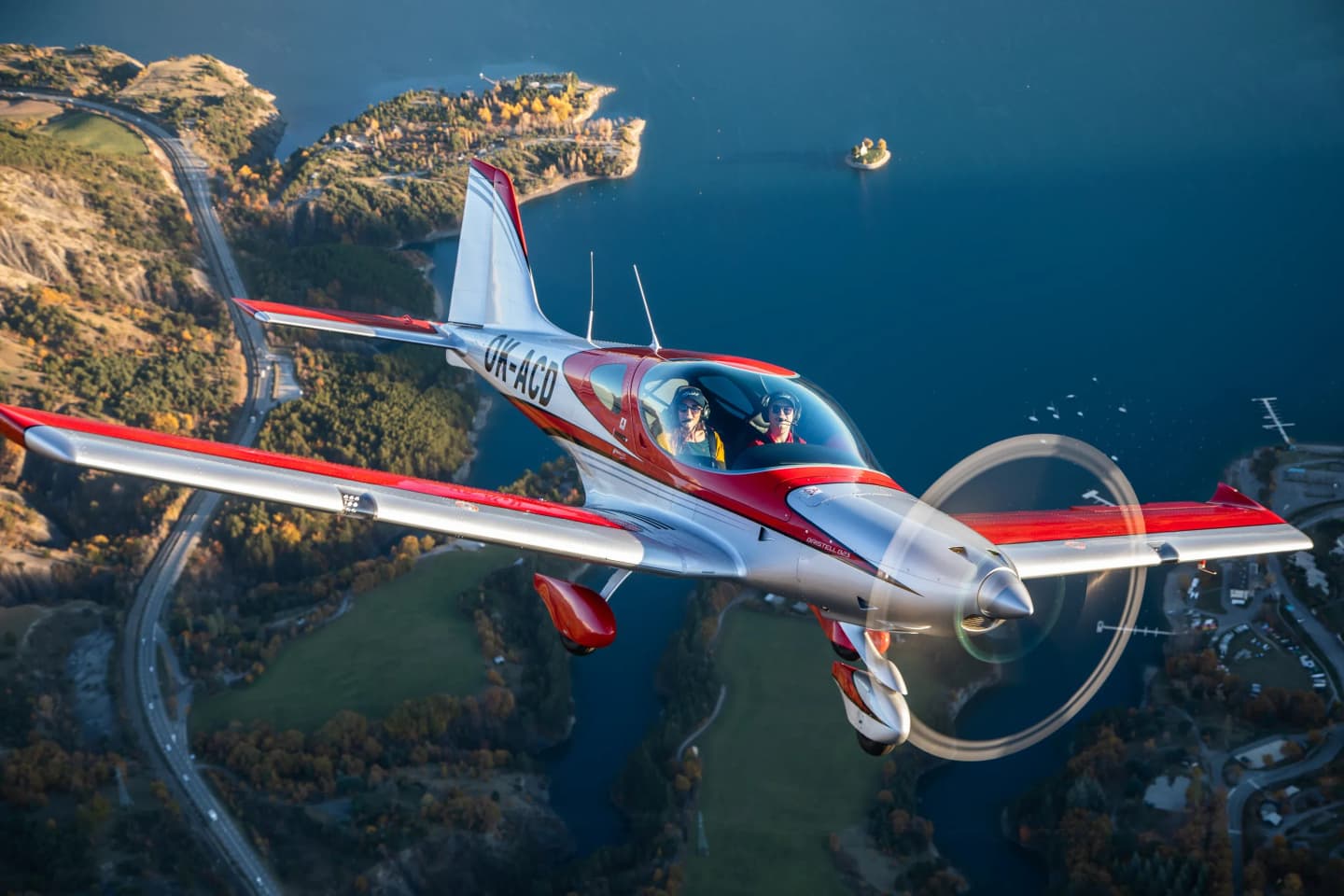
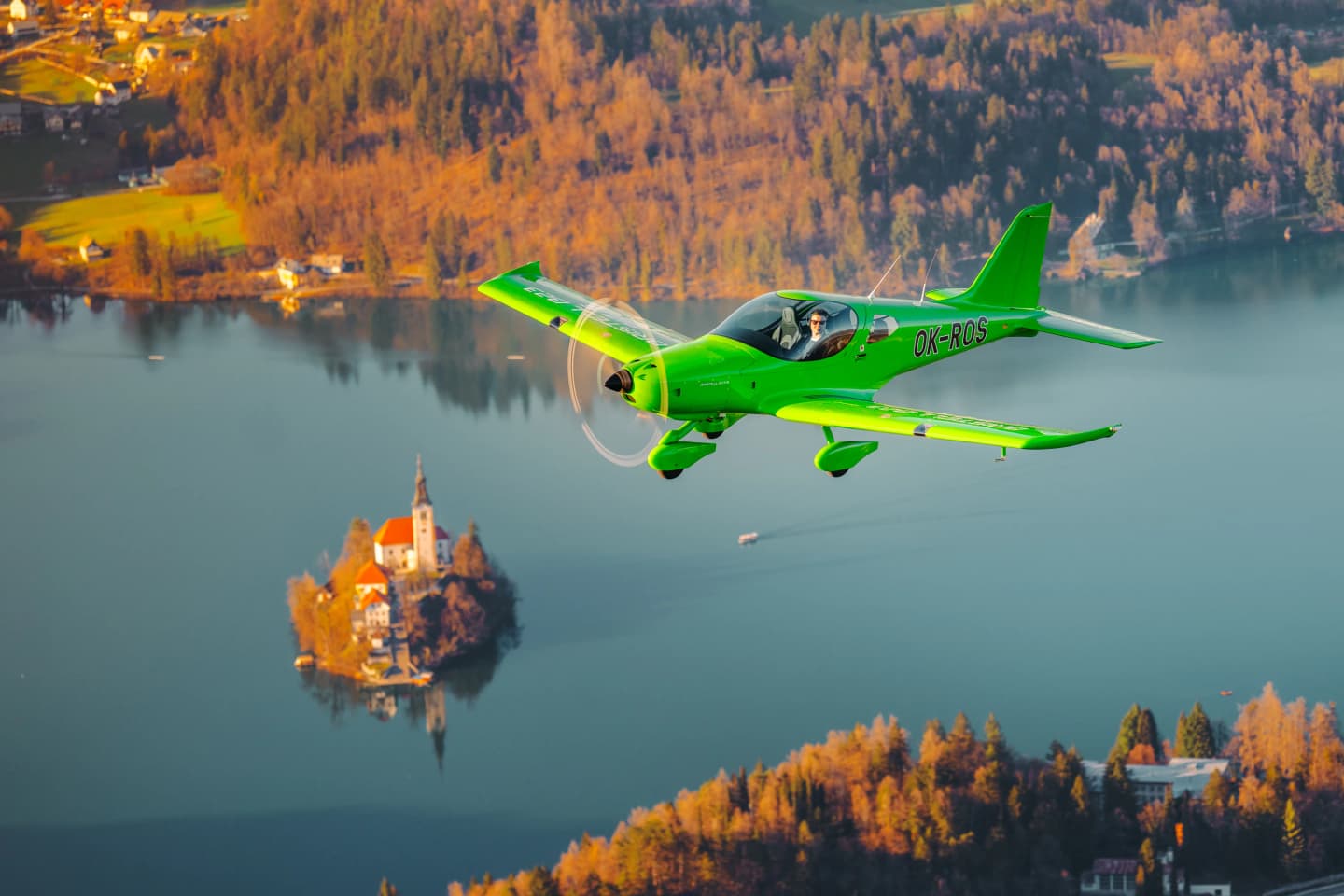
Red and silver Bristell B23 with two aboard flying over a lake and autumn shoreline
Design · Exterior

All-metal. Low-wing. Type-certified.

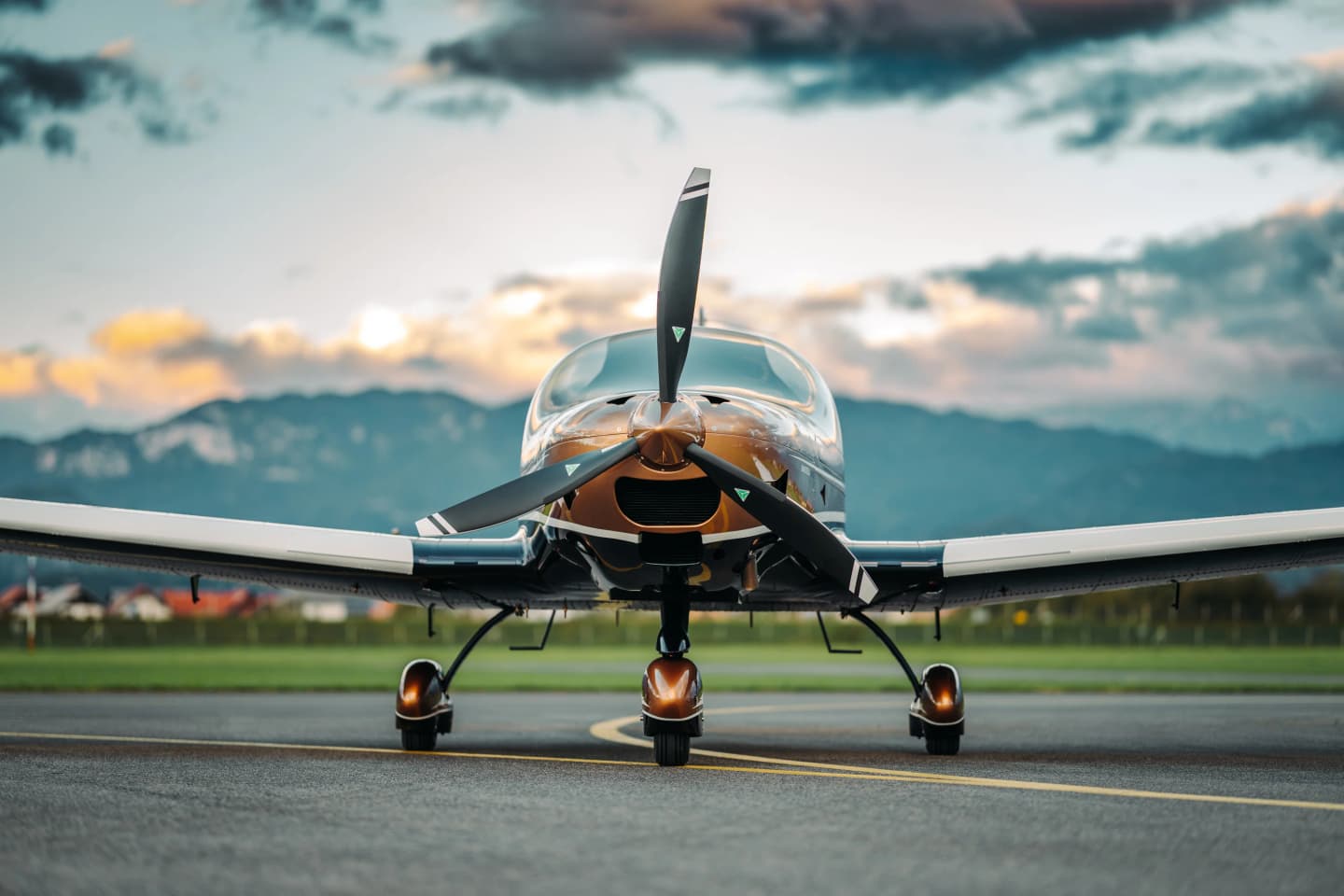
The B23 carries the lines of the classic Bristell, but underneath it is a new aircraft — a longer fuselage, a larger aluminium rudder and bigger, more efficient flaps and stabiliser, engineered for intensive flight-school use as much as for private touring. The bubble canopy gives all-round visibility from both seats.

Bristell B23-912 — exterior detail
Bristell B23-912iS — exterior detail
Bristell B23-915iS — exterior detail
Bristell B23-915 IFR — exterior detail
Bristell B23-916iS — exterior detail
Design · Cockpit

One cockpit for every engine.

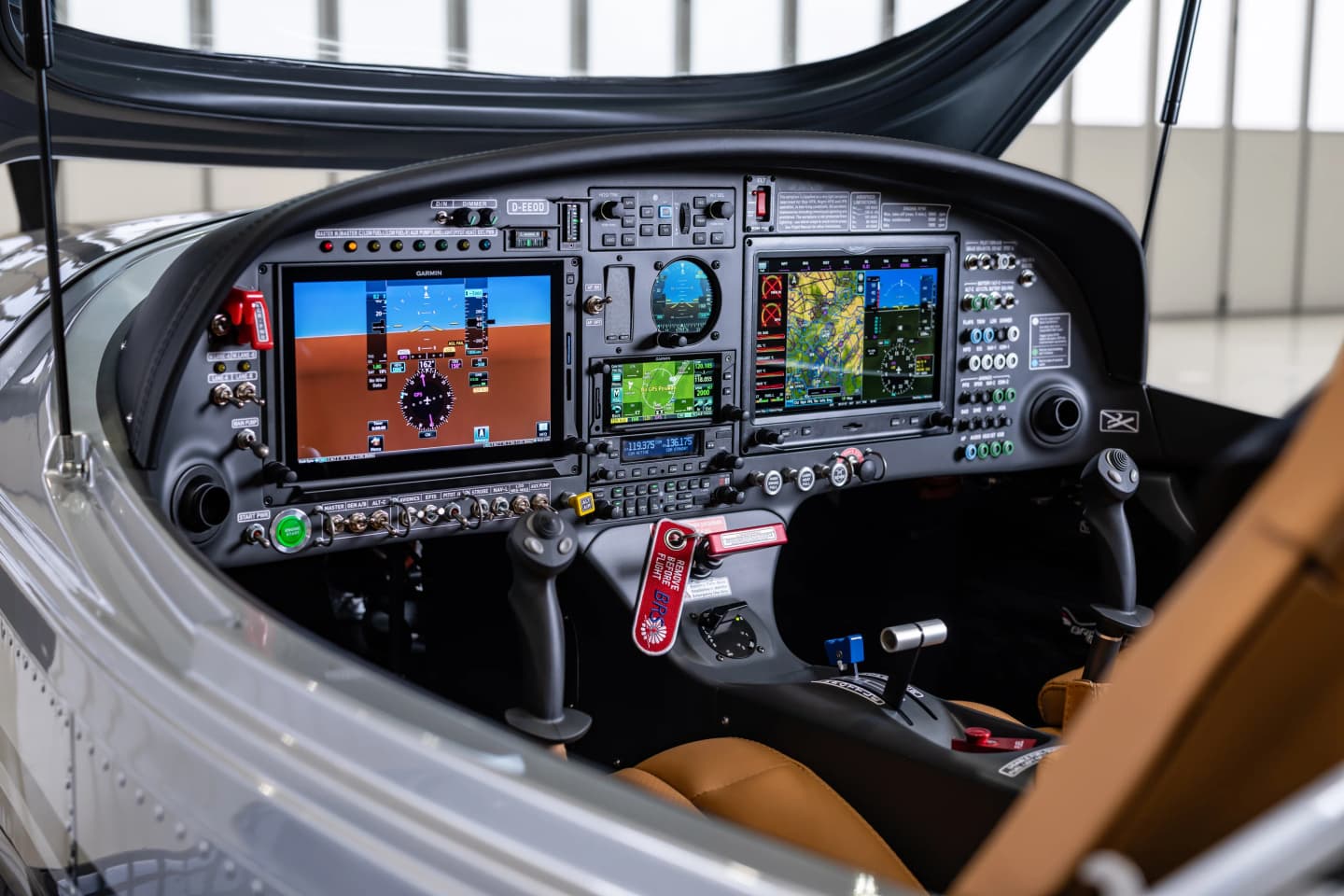
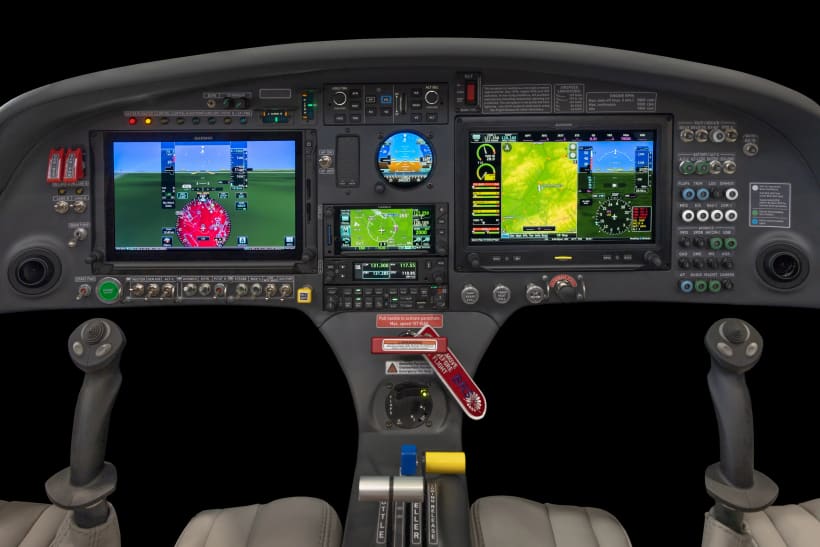
Every B23 shares the same 130 cm (51.2 in) cabin — the widest in its class — with dual sticks, adjustable rudder pedals and an ergonomically arranged panel that puts instruments and controls where a pilot expects them. The cockpit ships complete as standard.

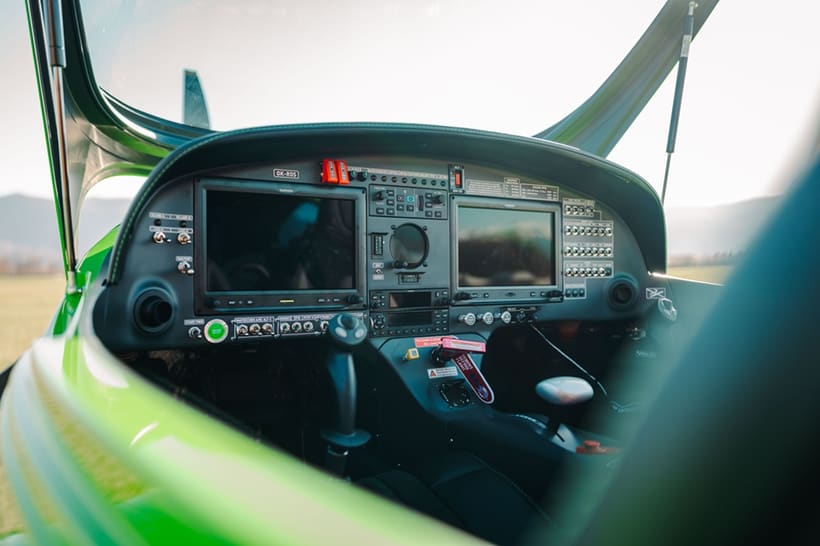
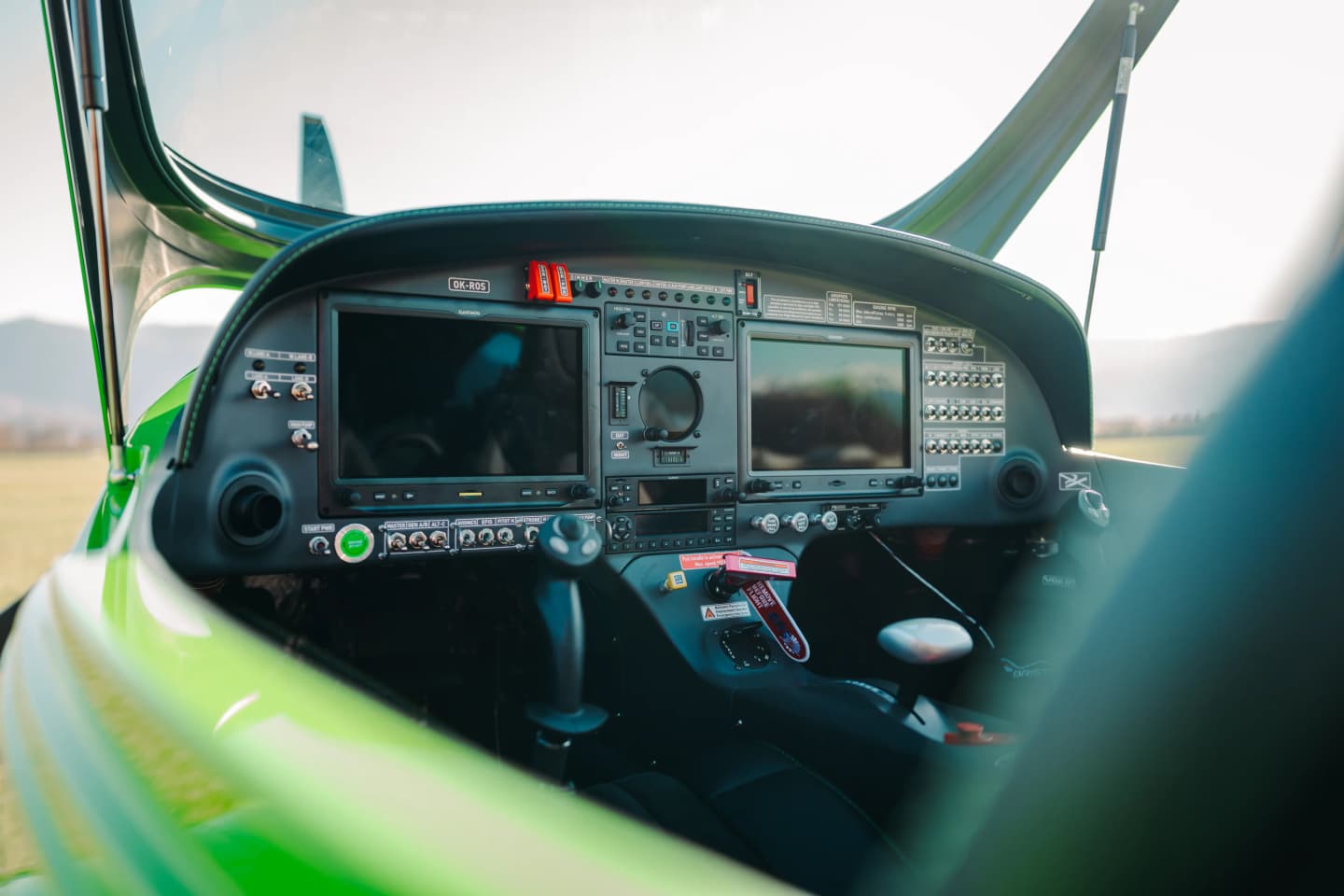
Bristell B23-915 IFR cockpit with the full Garmin IFR instrument panel
Bristell B23-912iS — cockpit interior
Bristell B23-916iS — cockpit interior
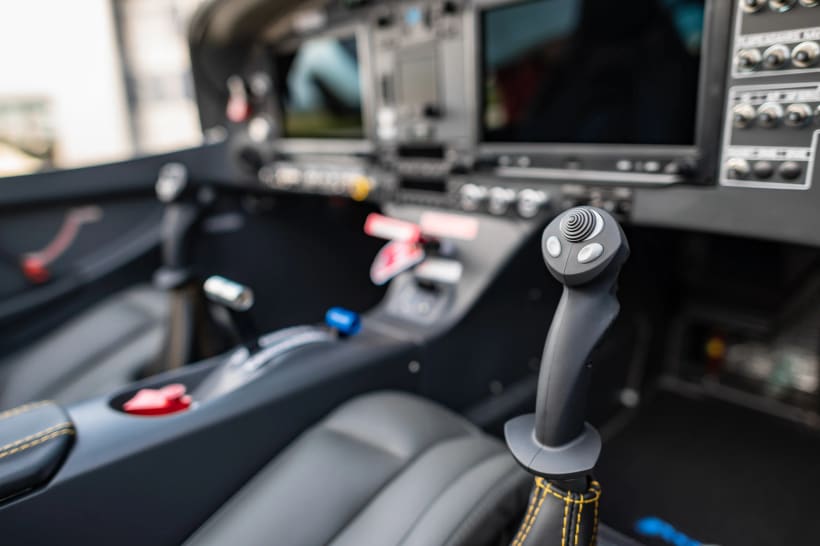
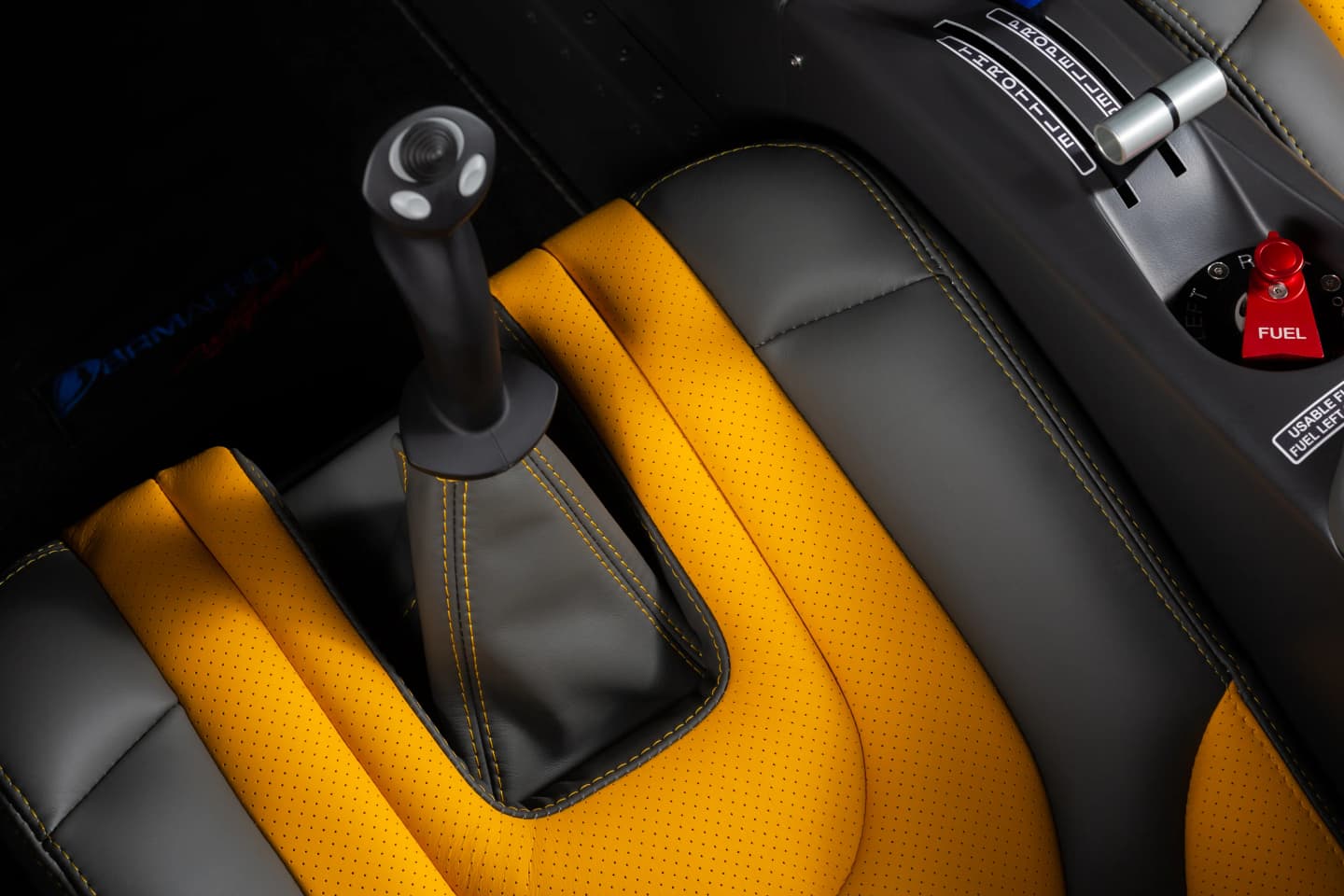
Control stick and throttle quadrant between premium leather seats in the Bristell B23 cockpit
Avionics & Technology

Garmin glass across the family.

State-of-the-art Garmin avionics come standard on every B23 — dual glass displays, autopilot, ADS-B In and Out and Night VFR certification. An optional IFR-capable Garmin GPS navigator extends the panel, and the B23-915 IFR carries a full Garmin IFR instrument suite as standard.

Garmin
Bristell B23 panel

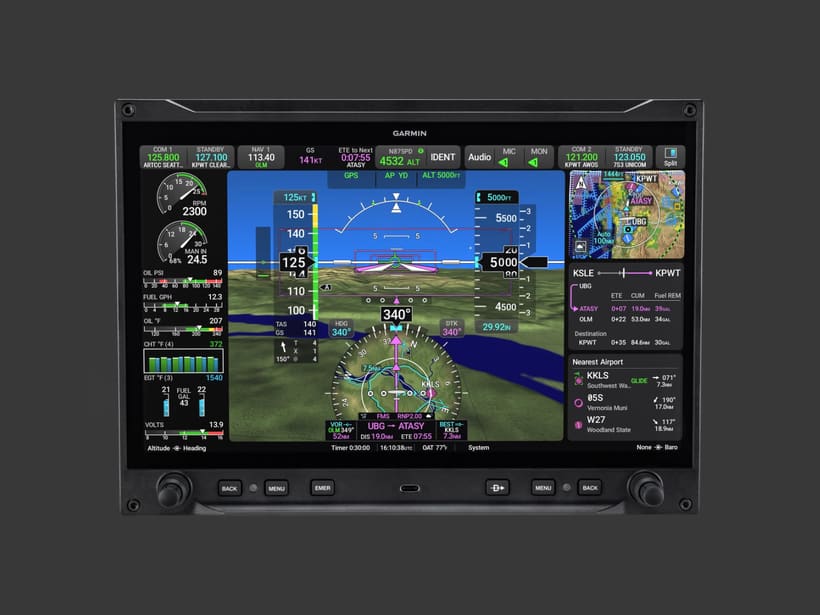
Dual glass cockpit (Garmin G3X Touch)

Standard

Two Garmin G3X Touch glass displays showing flight instruments, moving map and full engine monitoring. Touch control with physical knobs as backup, so the pilot is not fighting a touchscreen in turbulence.

Garmin GMC 507

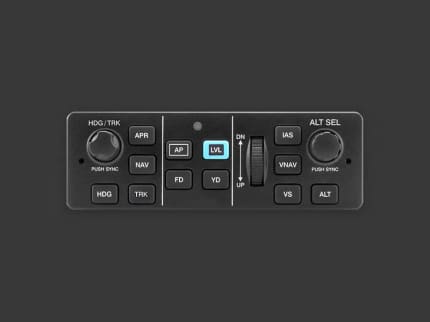
Autopilot with LEVEL button (Garmin GMC 507)

Standard

Garmin GMC 507 autopilot with a dedicated Blue LEVEL button that returns the aircraft to wings-level flight at a single push. It handles the routine legs to cut pilot workload, and the pilot stays in command for the parts that matter.

Garmin GNC 215A

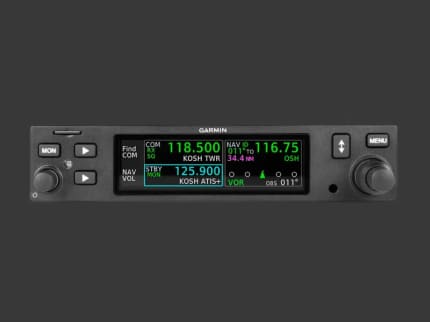
NAV/COM radio (Garmin GNC 215A)

Standard

Garmin GNC 215A NAV/COM radio for communication and VOR navigation, a certified backup to GPS navigation.

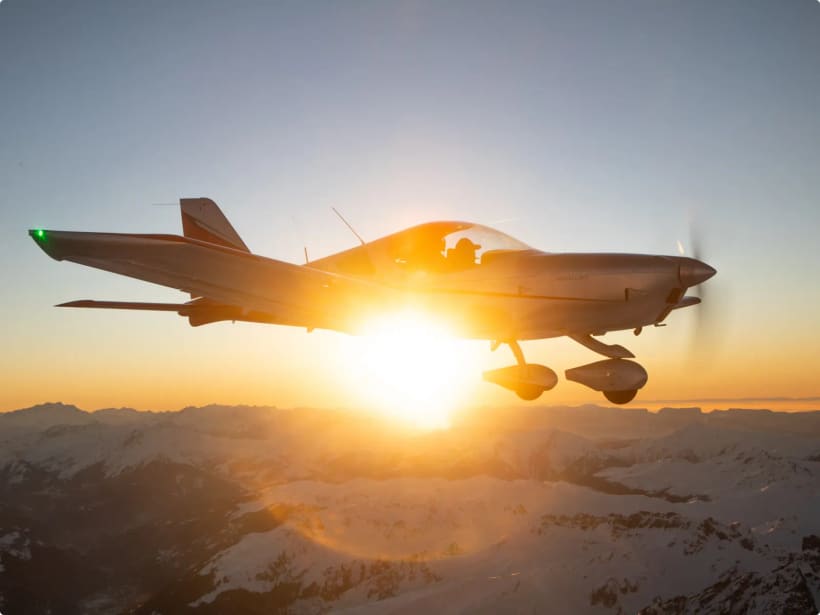
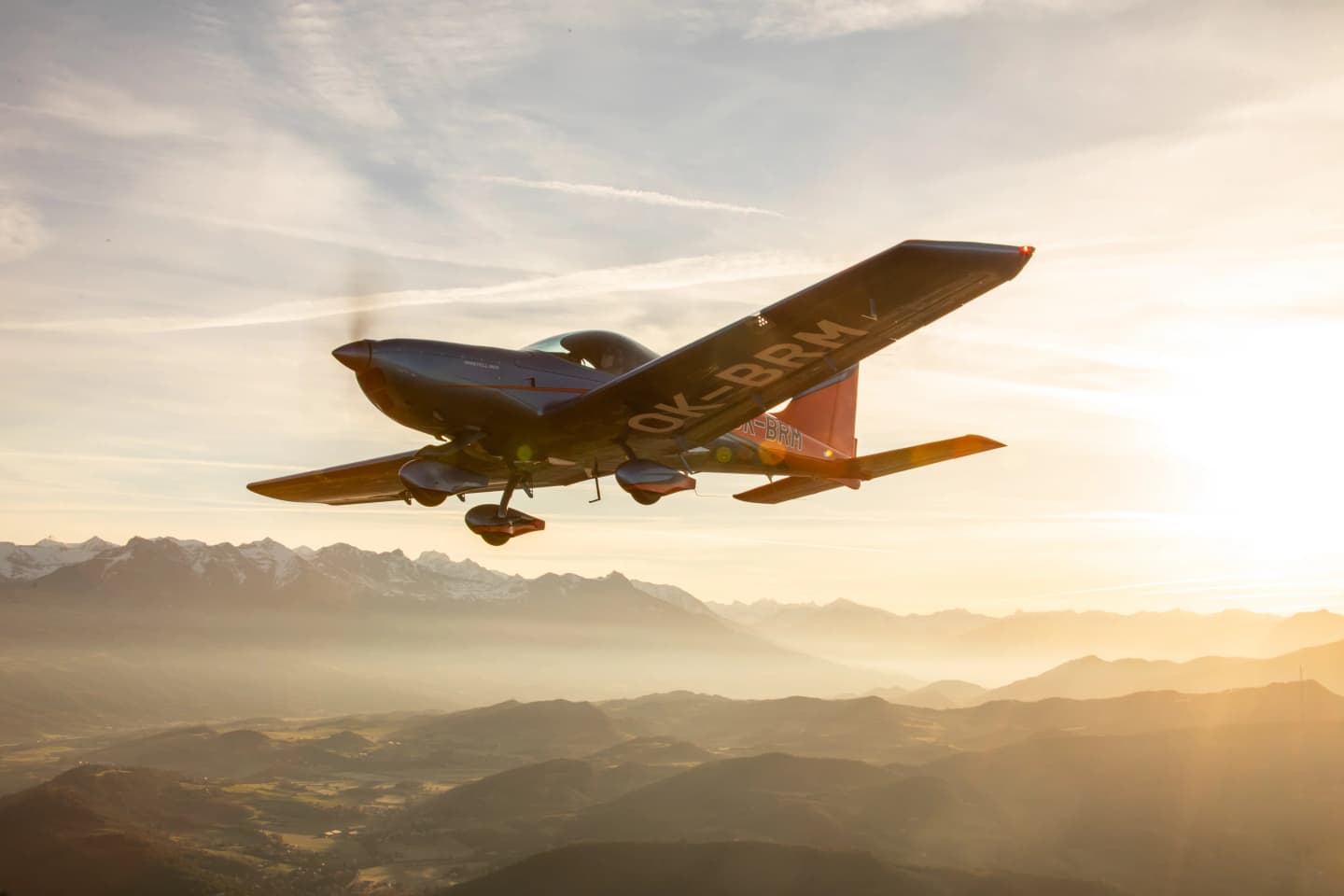
A Bristell silhouetted against a low sun over mountains, representing night-VFR flying.

Night flying capability (Night VFR)

Standard

B23 is certified for Night VFR with the glass cockpit, autopilot and lighting to support it. On UL/LSA models night flying is a build-up option, not a certification.

Garmin GTN 650Xi

IFR GPS navigator (Garmin GTN 650Xi)

Optional

Touchscreen GPS, NAV and COM navigator with LPV approach capability for instrument approaches down to near-precision minimums.

Garmin AXIS integrated flight display

Garmin AXIS glass cockpit

Coming soon

Garmin's new-generation integrated flight display — NAV/COMM radio and audio panel built into the screen, so one display replaces the whole radio stack, with SafeTaxi, a dedicated emergency button and enhanced synthetic vision. We are working on bringing AXIS to the Bristell range.

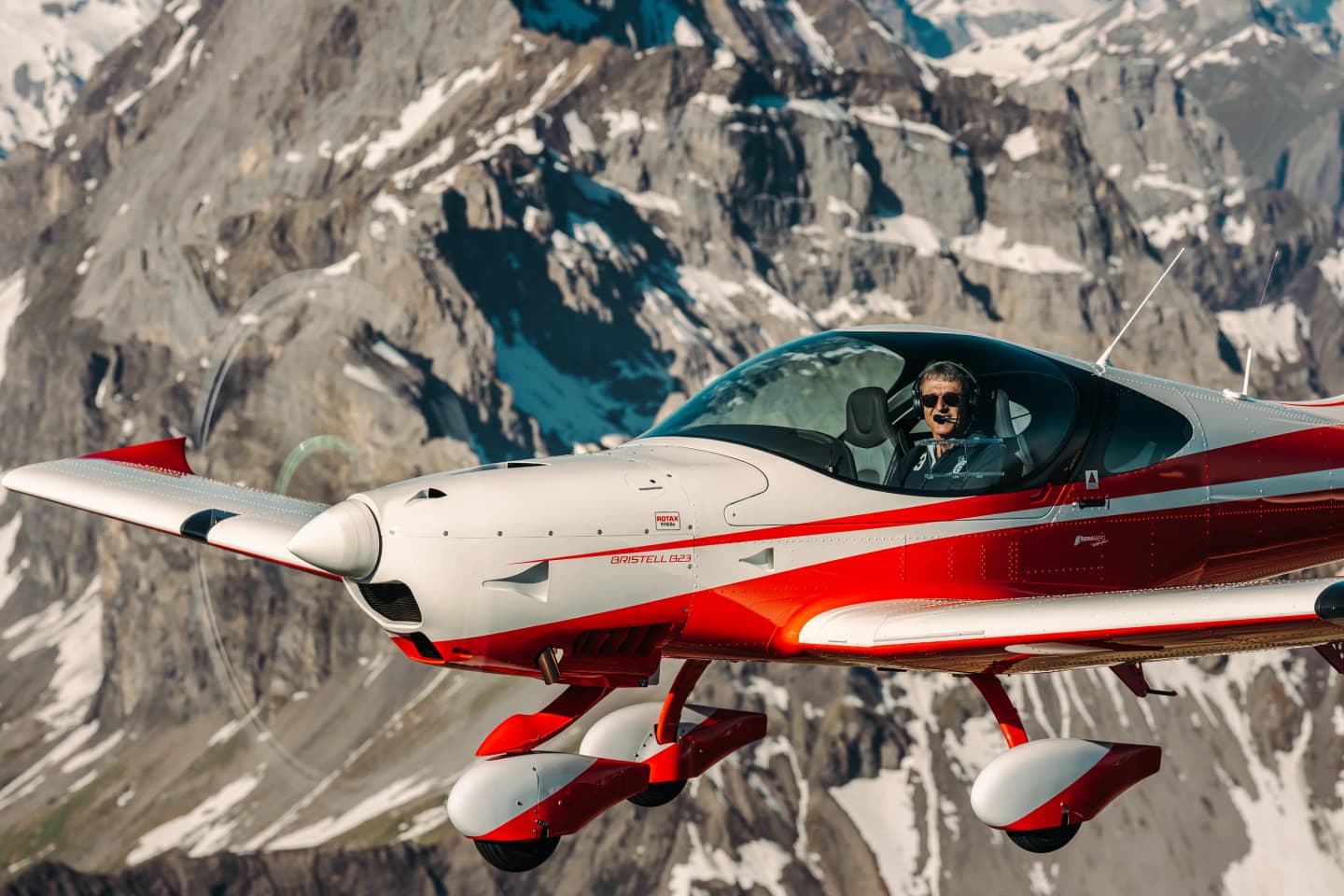
Red Bristell B23 in Swiss livery banking over snow-capped Alpine peaks
Engines

Choose your power

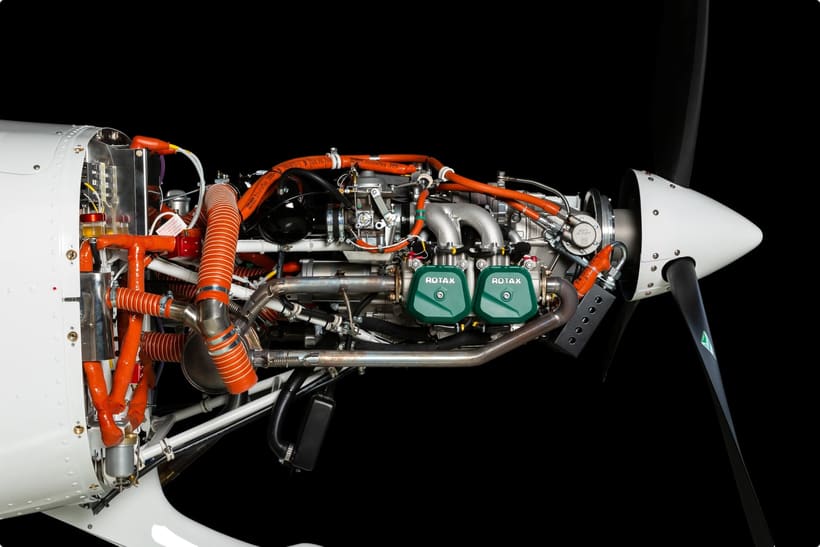
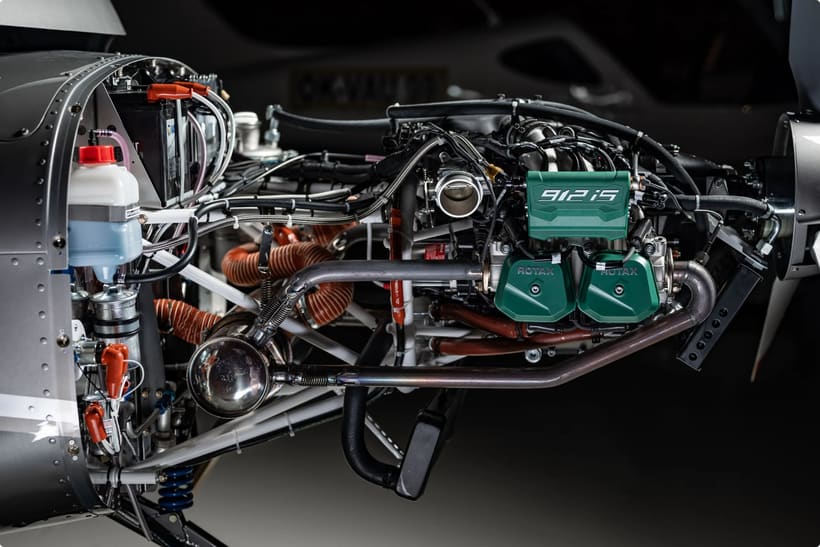
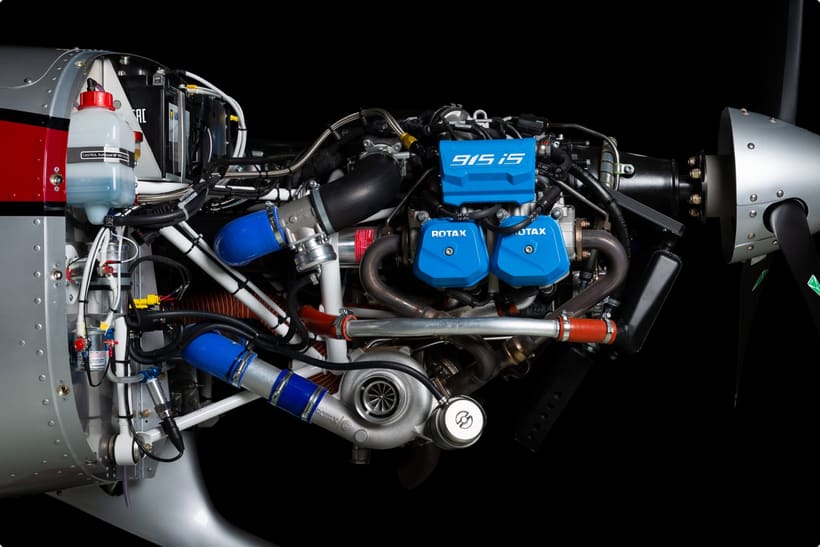
The same certified airframe carries four Rotax engine options across five variants, from the carbureted Rotax 912 ULS to the fuel-injected, turbocharged 916 iS. Every fuel-injected iS engine adds FADEC electronic engine management, and the turbocharged 915 iS and 916 iS keep their performance at altitude.

Rotax
Rotax 912 ULS carbureted aircraft engine

Rotax 912 ULS

100 HP / 73.5 kW

Rotax 912 iS Sport fuel-injected engine installed in a Bristell aircraft, close-up of the powerplant

Rotax 912 iS Sport

100 HP / 73.5 kW

Rotax 915 iS turbocharged aircraft engine, close-up of the powerplant

Rotax 915 iS

141 HP / 103.7 kW

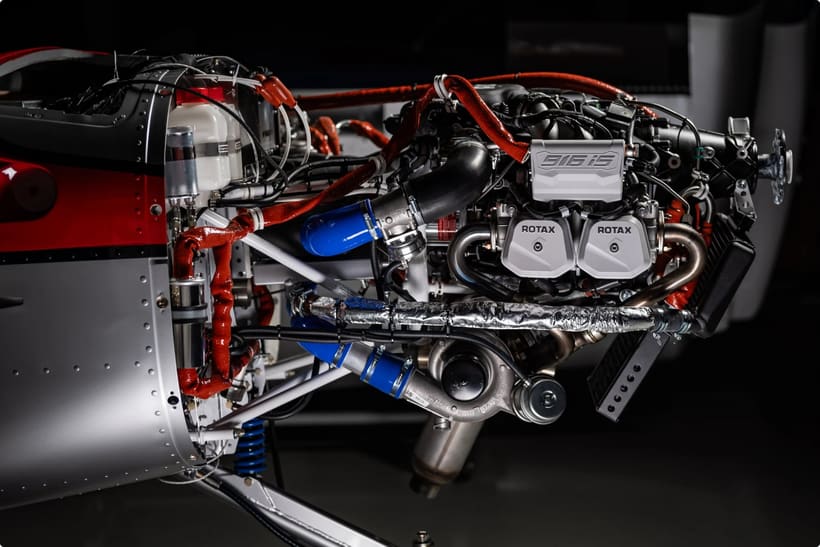
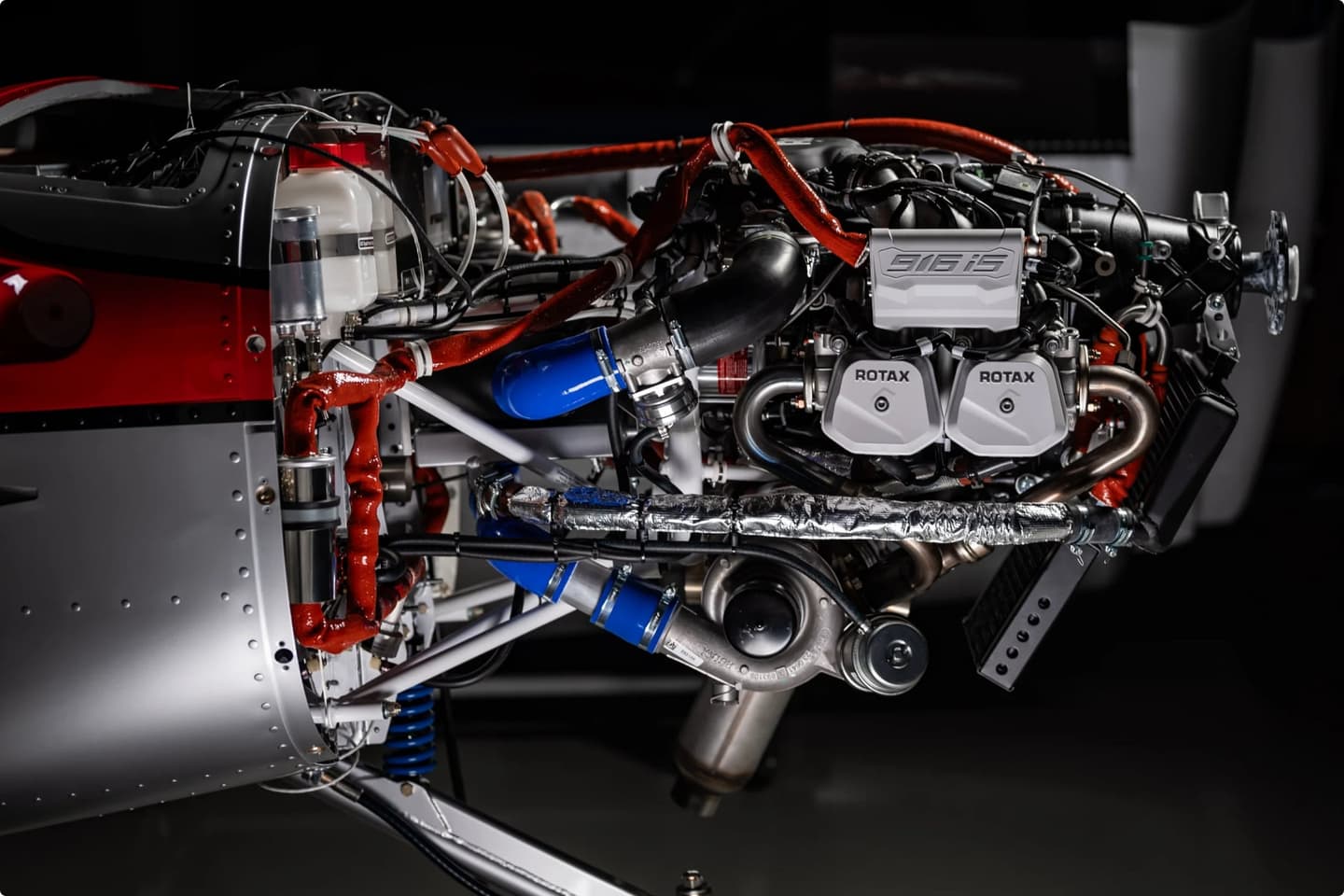
Engine Rotax 916iS in Bristell Aircraft

Rotax 916 iS

160 HP / 117.6 kW

Rotax 912 ULS

Power
100 HP / 73.5 kW
Injection / FADEC
Carbureted
Fuel
MOGAS / AVGAS
TBO
2,000 hours

Rotax 912 iS Sport

Power
100 HP / 73.5 kW
Injection / FADEC
Fuel injection · FADEC
Fuel
MOGAS / AVGAS
TBO
2,000 hours

Rotax 915 iS

Power
141 HP / 103.7 kW
Injection / FADEC
Fuel injection · FADEC
Fuel
MOGAS / AVGAS
TBO
1,200 hours

Rotax 916 iS

Power
160 HP / 117.6 kW
Injection / FADEC
Fuel injection · FADEC
Fuel
MOGAS / AVGAS
TBO
2,000 hours
Propeller

MT constant-speed. Standard on every B23.

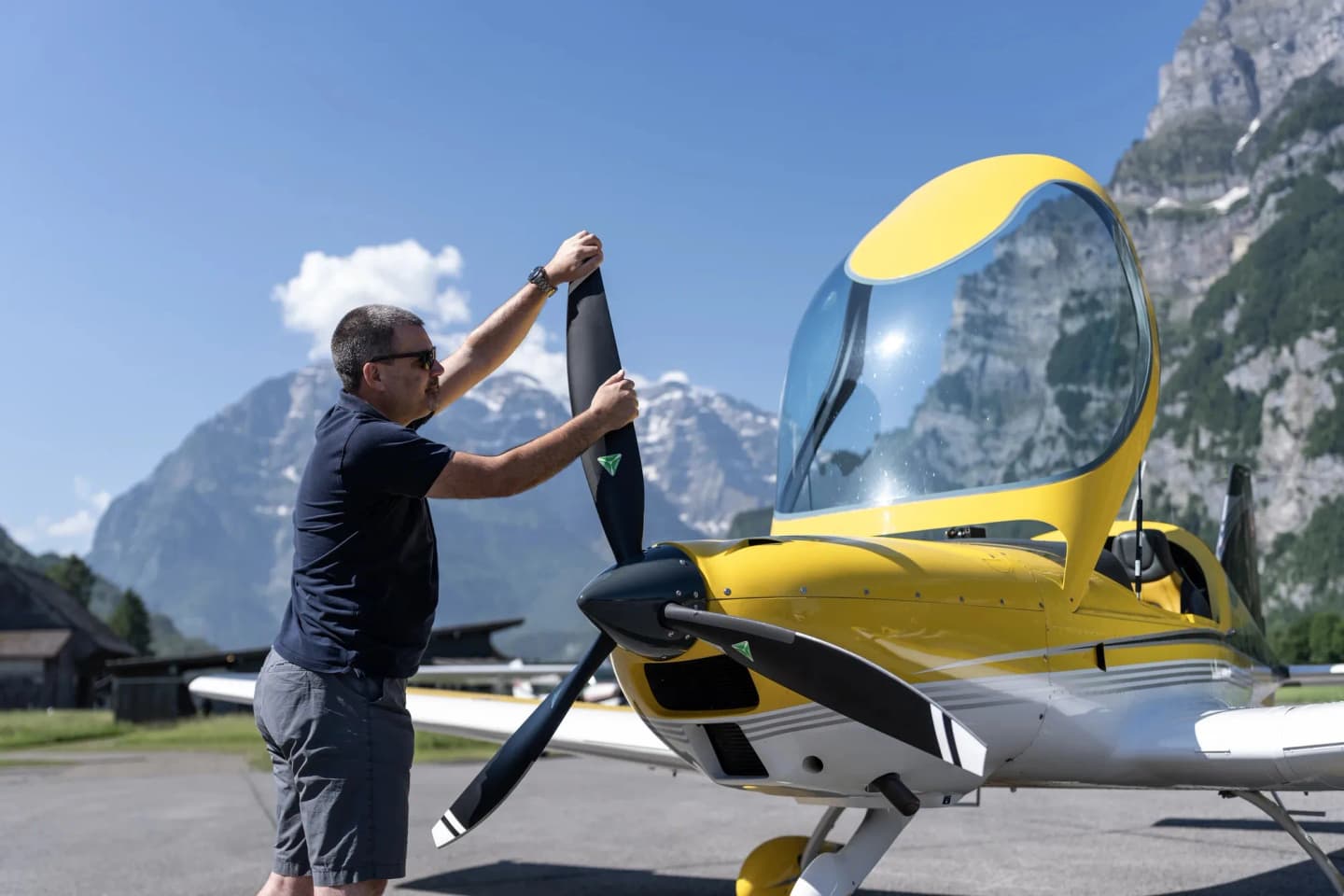
A three-blade MT-Propeller constant-speed propeller on the yellow nose of a Bristell B23, with a person handling one blade against a backdrop of alpine mountains.

MT-Propeller Constant-Speed

MT-Propeller

Every B23 leaves the factory with a three-blade MT-Propeller hydraulic constant-speed propeller as standard — the MTV-34-1-A/175 with the 100 HP (73.5 kW) engines, the MTV-34-1-A/175-200 with the turbocharged 915 iS and 916 iS. It holds the optimal blade angle across climb and cruise, and on the carbureted 912 ULS it lets students learn genuine constant-speed propeller operation during training.

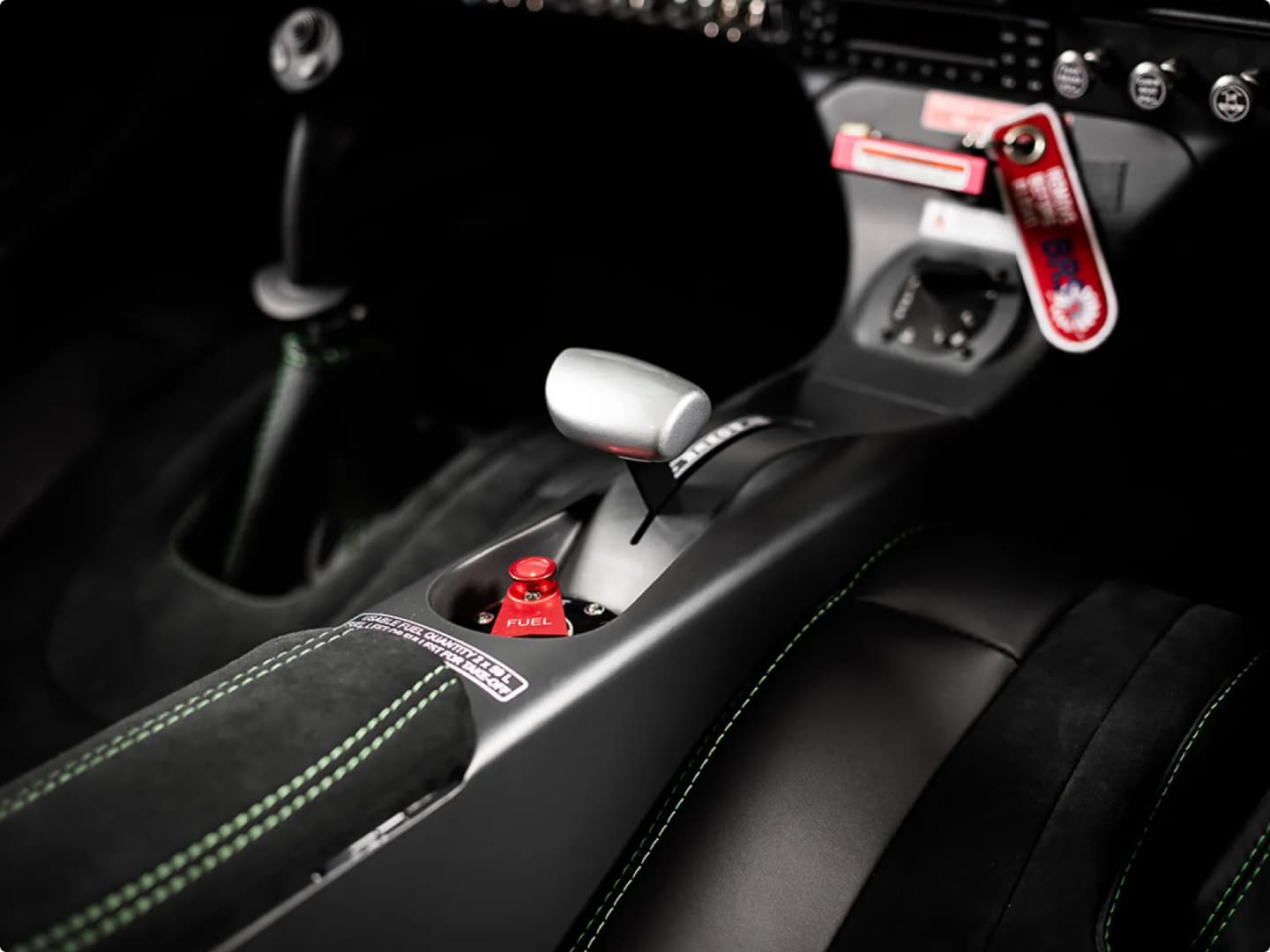
Single-lever power control throttle in a Bristell centre console.

Single Lever Power Control (SLPC)

B23-912iS

On the B23-912iS, SLPC with FADEC combines throttle and propeller control in one lever — standard equipment. Engine management stays simple and the propeller is always set right.

Features

Main features

The equipment that defines every B23 — safety systems and pilot details that come with the aircraft, not on the options list.

Bristell B23 descending under the deployed BRS whole-aircraft parachute

BRS whole-aircraft parachute

Standard

Ballistic parachute that lowers the entire aircraft under a canopy in an emergency. Works within a defined minimum altitude and speed envelope.

BRS Aerospace
4-point safety harness

4-point safety harness

Standard

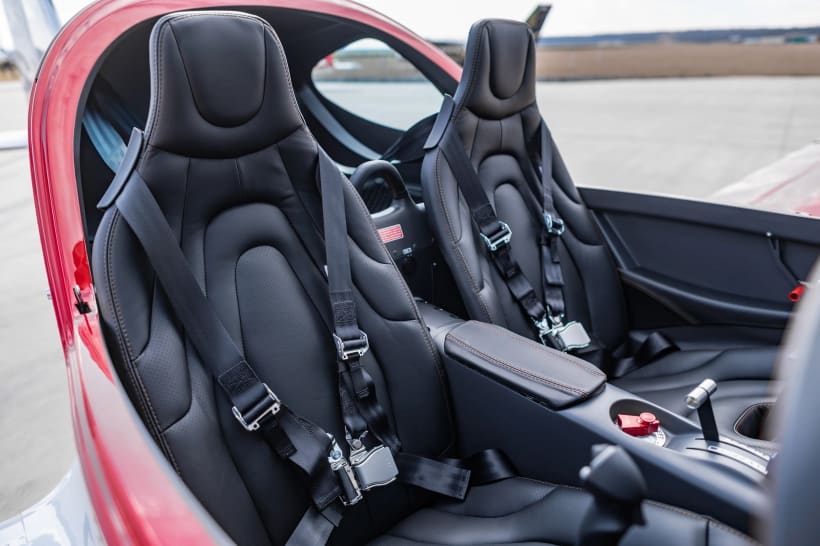
4-point AmSafe restraint system for both occupants on premium leather seats — better restraint and load distribution in a hard landing or impact.

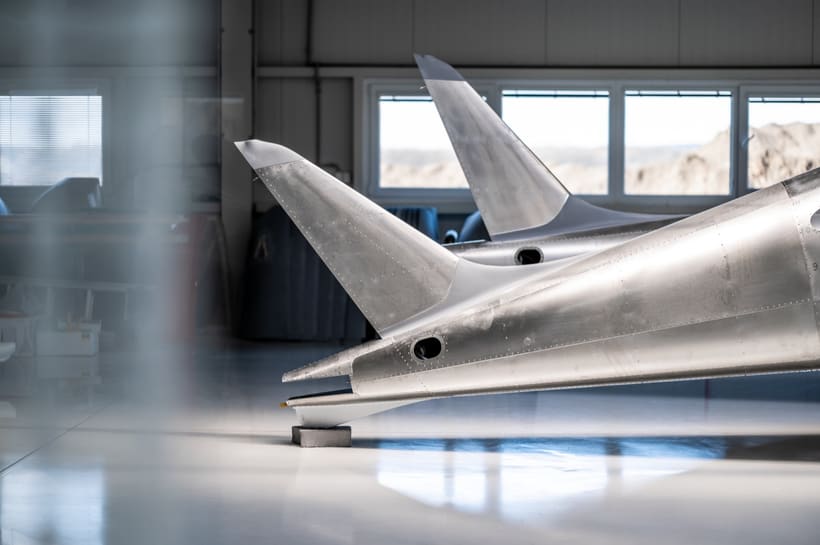
Bristell all-metal 2024-T3 aluminium airframe construction

All-metal airframe

Standard

All-metal aircraft structure that deforms predictably under load and shows damage on the surface, unlike composite where damage can stay hidden. Fatigue behavior is predictable and well understood.

Bristell B23 cockpit interior with two seats in the 130 cm (51.2 in) wide cabin

The most spacious cockpit in its class

Standard

The comfort of the most spacious cabin in its class — 130 cm (51.2 in) wide, and comfortable for two even on long cross-country flights.

Bristell glass cockpit fitted with dual control sticks for both seats.

Dual control sticks

Standard

Centre-stick design with independent left and right sticks. No control yoke obstruction, for a direct and intuitive control feel.

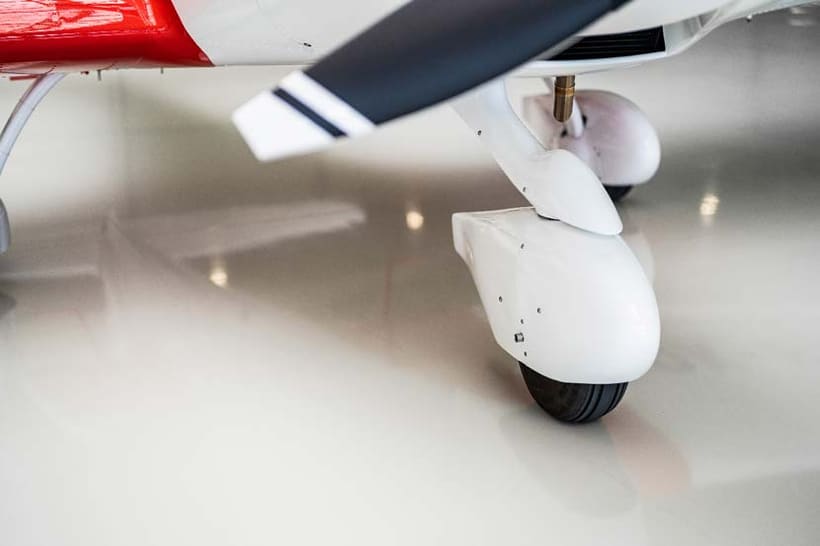
Bristell B23 nose landing gear with the steerable nose wheel

Steerable nose wheel

Standard

Direct nose-wheel steering through the rudder pedals, for full control during taxi, takeoff and landing roll.

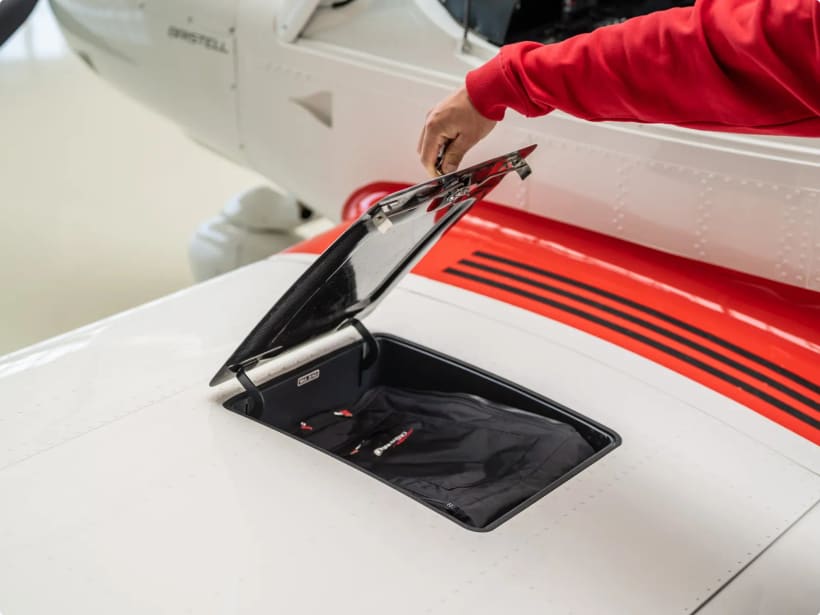
Open wing-root luggage locker on a red-and-white Bristell being loaded by hand.

Luggage capacity 55 kg (121 lbs)

Standard

Two 20 kg (44 lbs) wing lockers plus 15 kg (33 lbs) behind the seats, 55 kg (121 lbs) total luggage capacity, with useful load to spare.

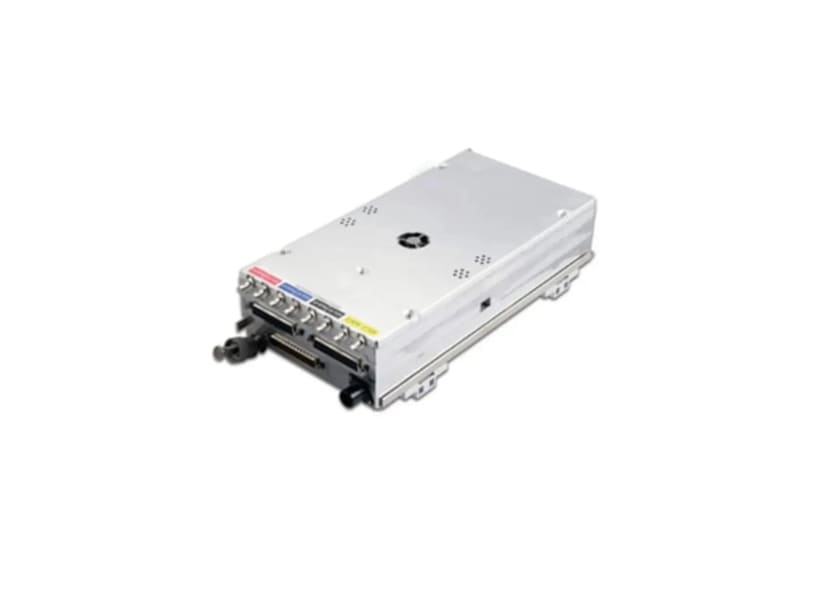
Black active-traffic-system processor unit for airborne traffic awareness.

Active traffic system

Optional

AT1 active traffic unit that shows surrounding traffic directly on the glass cockpit, independent of ADS-B coverage.

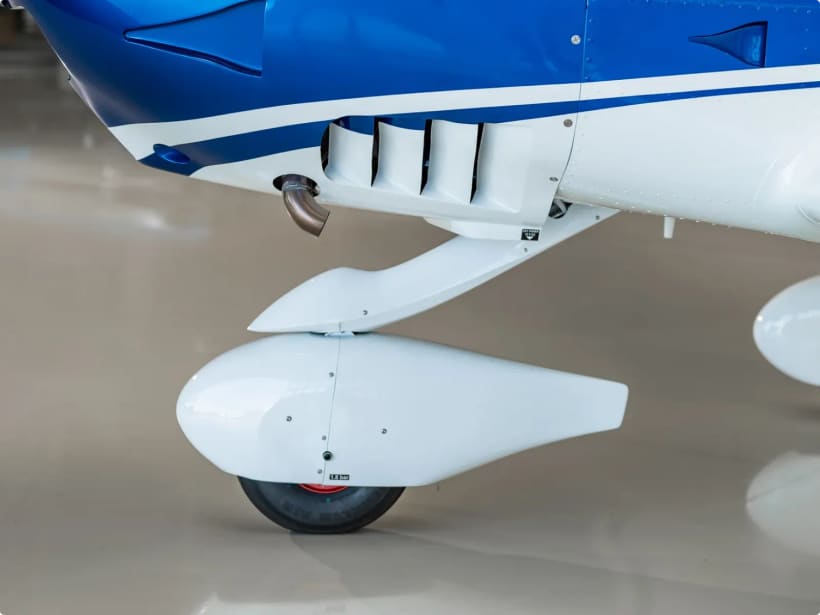
Chrome exhaust silencer outlet beneath the blue-and-white cowling of a Bristell, above the nose-wheel fairing.

Certified exhaust silencer

Optional

EASA certified exhaust silencer that reduces noise significantly and enables operations at noise-restricted airports where other aircraft must stay on the ground.

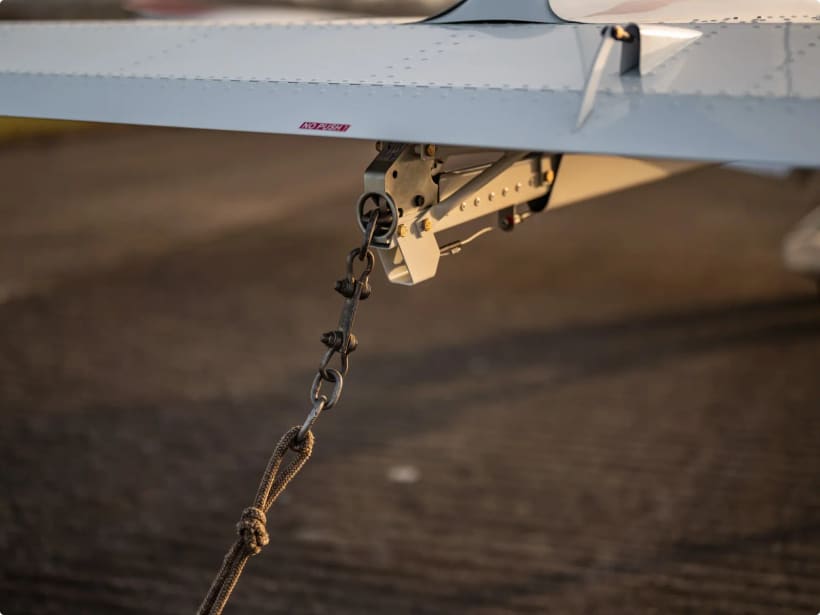
Glider tow-release hook mounted under the rear fuselage of a Bristell with a tow rope attached.

Glider towing hook

Optional

Factory-option tow hook — or, on the B23-915iS and B23-916iS, an aircraft-mounted Tost tow winch — for glider towing, proven with more than 1,000 towing hours in the Swiss Alps. A cost-to-revenue ratio that works for aeroclubs and towing operations — proven in daily club use.

Bristell B23 climbing at golden hour above misty mountain ridges
Specifications

Technical data

All five engine variants side by side. Rows where the variants differ are marked next to the row label.

B23-912Rotax 912 ULS

Weights & Dimensions

MTOW
750 kg / 1,653 lbs
Useful load
300 kg / 661 lbs
Fuel capacity
120 L / 31.7 gal
Wingspan
9.274 m / 30 ft 5 in
Length
6.585 m / 21 ft 7 in
Cabin width
130 cm / 51.2 in

Performance

Max speed (VH)
117 KTAS / 217 km/h
Cruise (75%)
Range (75%)
Rate of climb
700 fpm / 3.6 m/s
Service ceiling
14,000 ft / 4,267 m

Certifications

Cert basis
EASA CS-23 · FAA Part 23
IFR
IFR-ready (not certified)
Night VFR
Certified
BRS parachute
Standard

B23-912iSRotax 912 iS Sport

Weights & Dimensions

MTOW
750 kg / 1,653 lbs
Useful load
300 kg / 661 lbs
Fuel capacity
120 L / 31.7 gal
Wingspan
9.274 m / 30 ft 5 in
Length
6.585 m / 21 ft 7 in
Cabin width
130 cm / 51.2 in

Performance

Max speed (VH)
111 KTAS / 206 km/h
Cruise (75%)
106 KTAS / 196 km/h
Range (75%)
780 NM / 1,445 km
Rate of climb
702 fpm / 3.6 m/s
Service ceiling
14,000 ft / 4,267 m

Certifications

Cert basis
EASA CS-23
IFR
IFR-ready (not certified)
Night VFR
Certified
BRS parachute
Standard

B23-915iSRotax 915 iS

Weights & Dimensions

MTOW
750 kg / 1,653 lbs
Useful load
285 kg / 628 lbs
Fuel capacity
120 L / 31.7 gal
Wingspan
9.274 m / 30 ft 5 in
Length
6.585 m / 21 ft 7 in
Cabin width
130 cm / 51.2 in

Performance

Max speed (VH)
150 KTAS / 278 km/h
Cruise (75%)
136 KTAS / 252 km/h
Range (75%)
340 NM / 630 km
Rate of climb
1,259 fpm / 6.4 m/s
Service ceiling
18,000 ft / 5,486 m

Certifications

Cert basis
EASA CS-23
IFR
IFR-ready (not certified)
Night VFR
Certified
BRS parachute
Standard

B23-915 IFRRotax 915 iS

Weights & Dimensions

MTOW
750 kg / 1,653 lbs
Useful load
285 kg / 628 lbs
Fuel capacity
120 L / 31.7 gal
Wingspan
9.274 m / 30 ft 5 in
Length
6.585 m / 21 ft 7 in
Cabin width
130 cm / 51.2 in

Performance

Max speed (VH)
150 KTAS / 278 km/h
Cruise (75%)
125 KTAS / 232 km/h
Range (75%)
365 NM / 676 km
Rate of climb
1,260 fpm / 6.4 m/s
Service ceiling
18,000 ft / 5,486 m

Certifications

Cert basis
EASA CS-23
IFR
Certified
Night VFR
Certified
BRS parachute
Standard

B23-916iSRotax 916 iS

Weights & Dimensions

MTOW
750 kg / 1,653 lbs
Useful load
260 kg / 573 lbs
Fuel capacity
120 L / 31.7 gal
Wingspan
9.274 m / 30 ft 5 in
Length
6.585 m / 21 ft 7 in
Cabin width
130 cm / 51.2 in

Performance

Max speed (VH)
146 KTAS / 270 km/h
Cruise (75%)
130 KTAS / 241 km/h
Range (75%)
608 NM / 1,126 km
Rate of climb
1,320 fpm / 6.7 m/s
Service ceiling
18,000 ft / 5,486 m

Certifications

Cert basis
EASA CS-23
IFR
IFR-ready (not certified)
Night VFR
Certified
BRS parachute
Standard
Certification

Certified where you fly.

The B23 family holds approvals from EASA, the FAA, CAA UK and CASA Australia — the full authority-by-authority overview lives in the certification matrix.

EASA CS-23

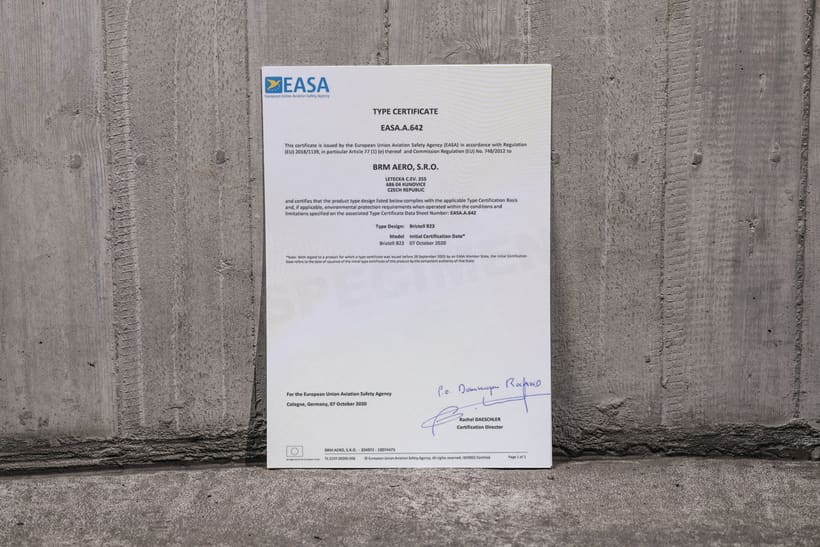
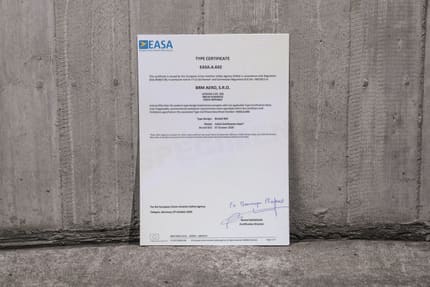
Every B23 variant is type-certified under EASA CS-23 — from the B23-912 (10/2020) to the B23-916iS (2025), the world's first CS-23 aircraft with the Rotax 916 iS.

FAA Part 23

The B23-912 is FAA Part 23 certified (09/2025). FAA Part 23 certification of the remaining variants is in progress.

IFR

The B23-915 IFR is EASA CS-23 IFR certified (12/2024) — the family's dedicated instrument platform for ATO programs and IFR touring.

Night VFR

Night VFR certification is standard across all five variants.
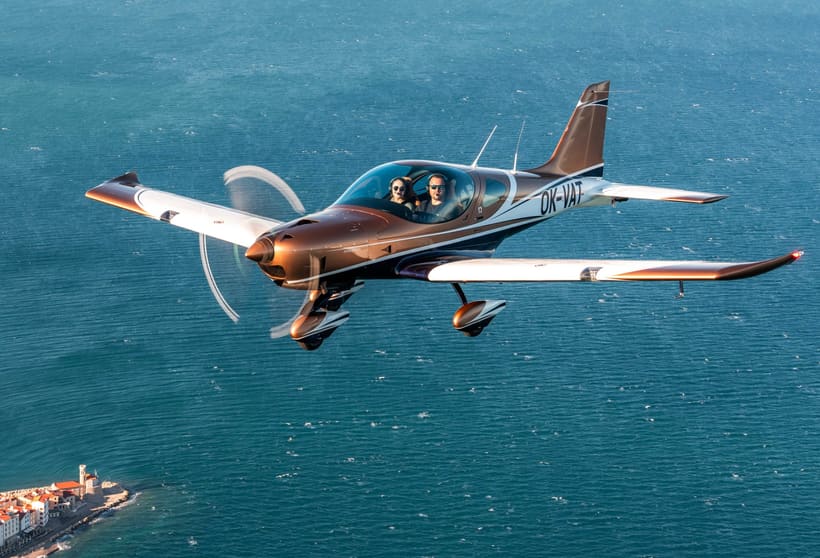
Range

See how far the Bristell B23 flies

Up to 780 NM (1,445 km) of range at 75% power — pick a departure point and see the reach.

Maximum range shown for the B23-912iS at 75% power — at 65% it stretches to 820 NM (1,519 km). Switch the engine variant below the search.

Engine variant

780 NM (1,445 km) at 75% power

Still-air range, no reserve, ISA conditions — shown for illustration only, not for flight planning.

Operating costs

What an hour in the air costs

Set your yearly hours, local MOGAS price and shop rate — the estimate updates as you move the sliders.

Insurance is not included — premiums vary significantly by market. Ask us for a local quote.

€62per flight hour

~€12,340 a year at 200 hours

Fuel — MOGAS€32.68

Average consumption on a typical flight profile, multiplied by your fuel price — typically among the largest operating costs.
19 L/h (5.0 US gal/h) — average consumption, typical flight profile

Engine & propeller overhaul reserve€14.15

A per-hour set-aside so the engine and propeller overhauls are already funded when TBO comes. Assumes the aircraft flies to its engine TBO; at low annual utilisation, calendar-driven costs can add to this.

Maintenance, oil and other fixed costs€14.87

Scheduled inspections, oil and filters, consumables and other recurring items, spread over your yearly hours.

Estimates are for orientation only and do not constitute an offer.

Read the full note

Estimated operating costs are provided for general information only and do not constitute an offer, a guarantee or financial advice. Actual costs vary with utilisation, fuel prices, insurance terms, maintenance arrangements and country of operation; verify all figures for your own operation before making purchasing decisions.Reference prices: 2026.

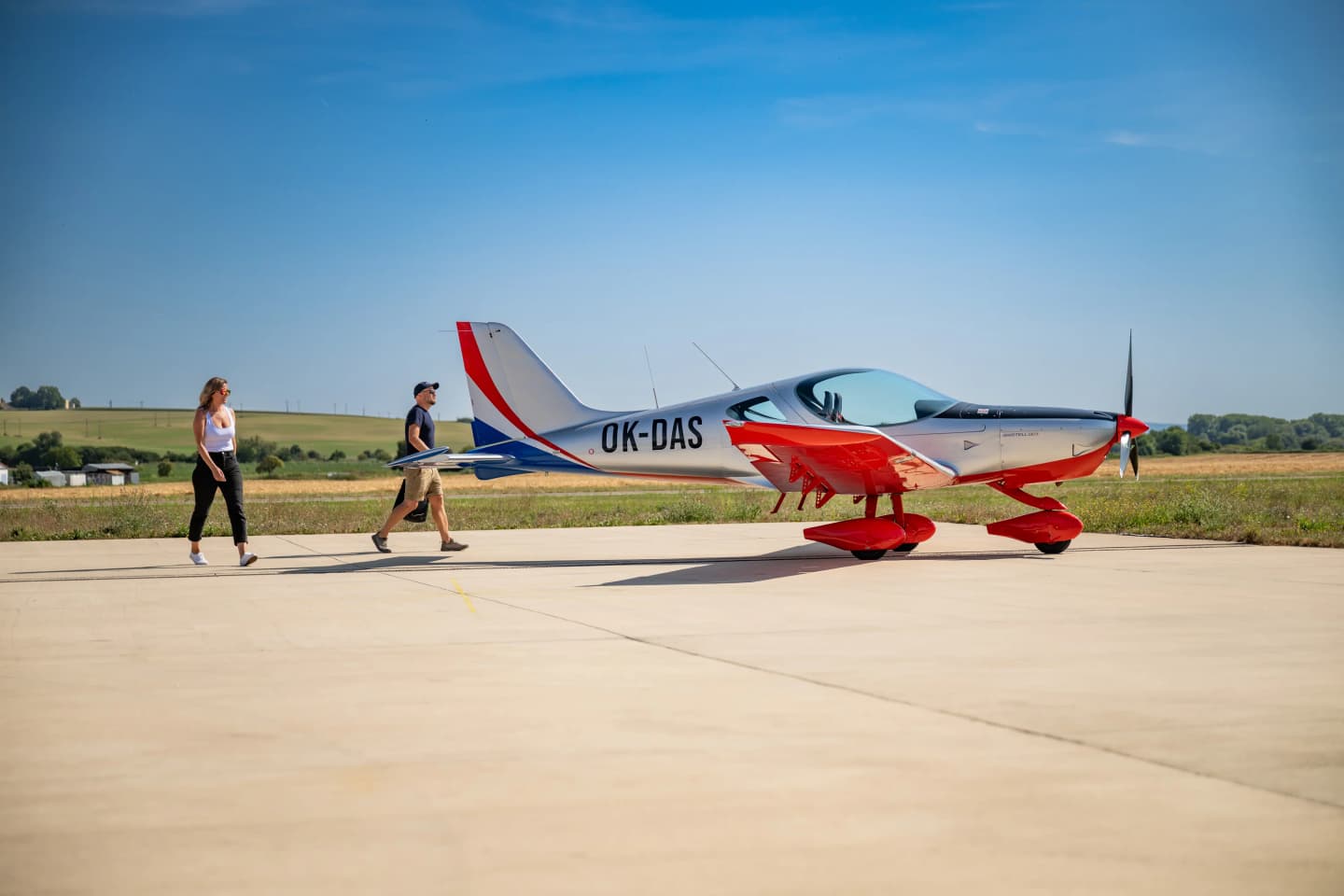
A couple walking across the apron to their silver and red Bristell B23
Ownership

Factory-backed. Globally serviced. Built to your spec.

Every Bristell ships with the same factory backing, service network and personalisation options — wherever in the world it lands.

Warranty

2 YR · 500 H · 1,000 LDG

2 years, 500 flight hours, or 1,000 landings — whichever comes first. Covers airframe, electrical installation, engine installation and aircraft completion. Rotax engine and avionics carry separate manufacturer warranties.

Bristell Direct

24/7 worldwide

Your direct line to the factory in Kunovice. Service, parts and custom requests — handled by the people who built your aircraft.

Worldwide Support

30+ countries

Authorised service in 30+ countries. Wherever you land, your aircraft stays in the air.

Built to Order

No two leave the factory the same.

Every Bristell is built around its pilot. Tell us how you'll fly yours — and we'll build it.

  1. Choice of engine

    Four Rotax engines, from the carbureted 912 ULS (100 HP / 73.5 kW) to the turbocharged 916 iS (160 HP / 117.6 kW). Pick the power that matches your mission — everything else is already decided.

    Engine Rotax 916iS in Bristell Aircraft
  2. State-of-the-art Garmin avionics

    Dual glass displays, autopilot and ADS-B come standard. Extend the panel with IFR-capable navigation — or step up to the fully IFR-certified B23-915 IFR.

    Bristell B23-915 IFR cockpit with the full Garmin IFR instrument panel
  3. Additional accessories

    Glider tow hook or winch, certified exhaust silencer, AT-1 AIR Traffic and more — mission equipment fitted at the factory.

  4. Exterior design

    From a clean single-colour scheme to a full Bristell Signature design — the factory paint shop finishes every airframe to order.

    Bristell B23-916iS — exterior detail
  5. Interior design

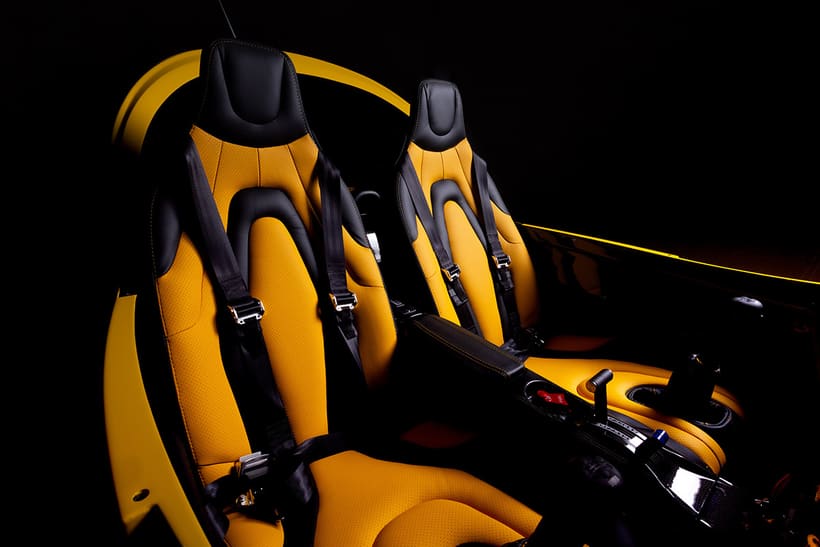
    Premium seating — leather trim, alcantara accents and signature stitching, finished around its pilot.

    BRISTELL Upholstery
  6. Fly

    Book a demo flight, take delivery in Kunovice and join a fleet flying in more than 30 countries.

FAQ

Frequently asked questions

How much does a Bristell B23 cost?

The price depends on the engine and equipment configuration. Request a quote and our team will prepare an offer for your mission and market.

Which engines are available for the Bristell B23?

Four Rotax engines across five variants: the carbureted 912 ULS and fuel-injected 912 iS at 100 HP (73.5 kW), the turbocharged 915 iS at 141 HP (103.7 kW) — also in a dedicated IFR-certified variant — and the turbocharged 916 iS at 160 HP (117.6 kW).

Is the Bristell B23 certified?

Yes. The B23 family is EASA CS-23 type-certified, with CAA UK and CASA Australia approvals. The B23-912 is FAA Part 23 certified (09/2025); FAA certification of the other variants is in progress. The B23-915 IFR is EASA CS-23 IFR certified.

Is the Bristell B23 suitable for flight training?

Yes. The B23 is type-certified under EASA CS-23 and built for intensive flight-school use, with benign handling, dual sticks and Night VFR certification as standard. The B23-915 IFR adds a certified instrument training platform for schools and ATOs.

What fuel does the Bristell B23 use?

Every B23 engine runs on automotive MOGAS or on AVGAS, from a 120 L (31.7 US gal) tank. The fuel-injected 912 iS burns 16.3 L/h (4.3 US gal/h) at 75% power.

What is the engine TBO on the Bristell B23?

2,000 flight hours for the Rotax 912 ULS, 912 iS and 916 iS, and 1,200 hours for the turbocharged 915 iS. Every engine in the family runs on automotive MOGAS or AVGAS, which keeps day-to-day operation simple.

Which B23 engine should I choose?

It depends on your mission. For training economics, the 100 HP (73.5 kW) 912 ULS or fuel-injected 912 iS. For instrument programs, the EASA-certified 915 IFR. For high-altitude touring, the turbocharged 915 iS (141 HP / 103.7 kW) or 916 iS (160 HP / 117.6 kW) — both hold their performance at altitude.

Can I fly the Bristell B23 under IFR?

The B23-915 IFR is the family's EASA CS-23 IFR-certified variant (12/2024), equipped with a full Garmin IFR instrument suite as standard. The other variants are certified for VFR and Night VFR operations.

How big is the B23 cockpit and how much luggage fits?

The cabin is 130 cm (51.2 in) wide — the widest in its class — with dual sticks and adjustable rudder pedals. Wing lockers and the cabin compartment take up to 55 kg (121 lbs) of luggage in total.

Does the Bristell B23 have a parachute?

Yes. A BRS whole-aircraft parachute is standard equipment on every B23 variant, together with a 4-point safety harness on both seats.

How long does delivery of a new B23 take?

Delivery time depends on your configuration and the current production schedule at our factory in Kunovice, Czech Republic. Contact us or request a quote for the current lead time.